Outdoor spaces in homes have undergone a significant transformation, shifting from being an occasional meeting place to an integral extension of the home. Gardens, terraces, patios and balconies are no longer mere areas for seasonal use, but rather vital spaces that can be used for different activities throughout the year. This reassessment of outdoor spaces reflects a profound change in how the home is perceived, where the boundary between interior and exterior has become blurred in order to give way to a lifestyle that is more integrated and in tune with the environment.
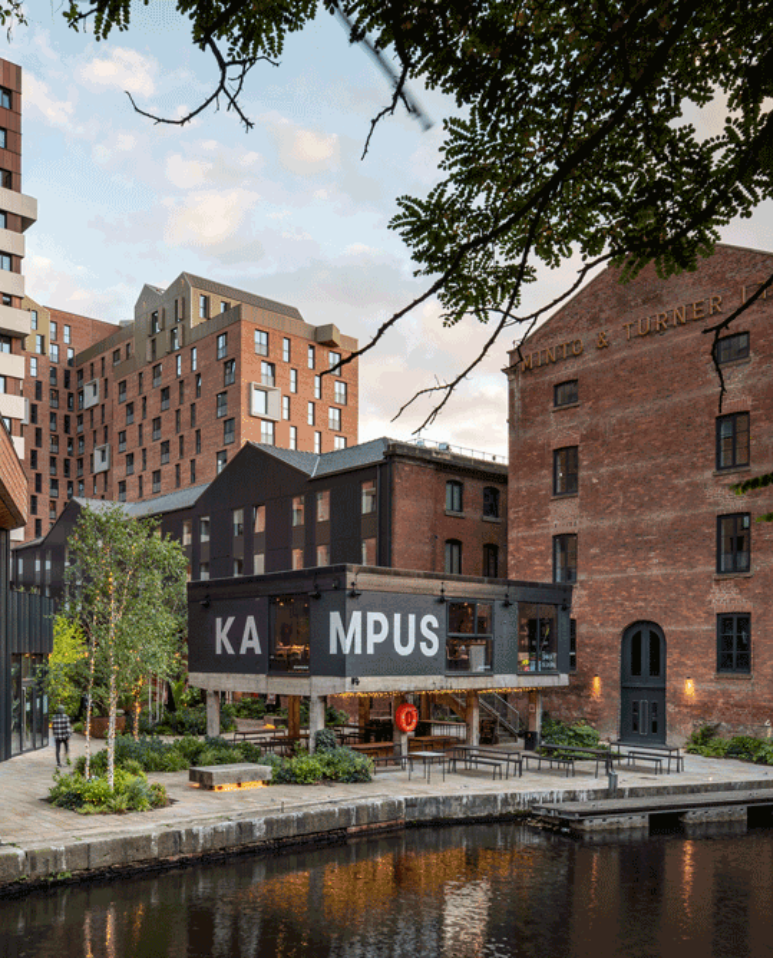
Concern for mental and physical health has ensured outdoor spaces are more highly valued in the home. Different studies have proven that contact with nature and natural light are beneficial to health. What’s more, interest in designing healthy homes in line with trends involving an openness to the outside world grew in light of the pandemic.
Moreover, a reduction in the size of the home means every square metre counts, for which reason balconies, terraces and gardens become assets of great value. This is evidenced in the outdoor furnishings market. The outdoor furnishings market’s income amounted to a total of $50 billion in 2023. The market is expected to see a compound annual growth rate (CAGR) of 4.68% between 2023 and 2028 (Source: Statista, 2023). In harmony with this trend, social net- works like TikTok show around 14.9 million views on videos related to the outdoor living room, and 22.8 million views for living room outdoor (December 2023).

“Today, the focus revolves around outdoor spaces, like terraces, that have become work and leisure spaces. This trend is accompanied by innovations, including outdoor heaters, although its impact on sustainability is still to be determined. Also of note is the renewed interest in the kitchen and terrace as key points of design and functionality in modern homes.”
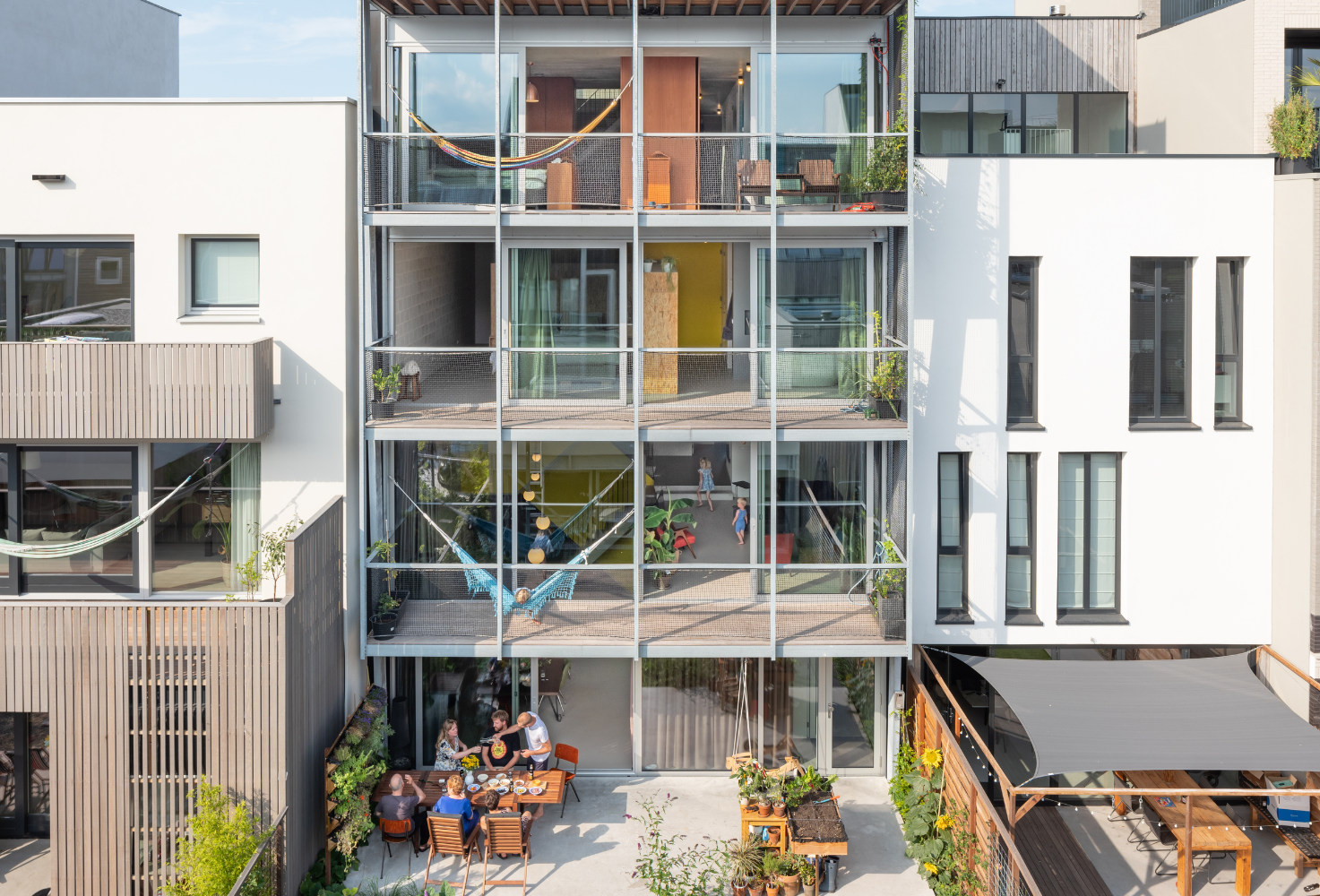
Although large gardens and patios appear to steal some of their glory, small balconies in cities are gaining a higher profile as an outdoor area for ‘urbanites’. Together with the horizontal, designers are exploring the potential in the vertical, using balcony railings or barriers as a place to install decorative products, including lanterns, candelabras and plant pots, or small tables and grills for compact cooking.
In residential and rural areas with more space in general, the trend of taking the indoors outdoors is encouraging the emergence of new spaces, specifically areas traditionally devised as meeting points, such as the living room or kitchen, which are now heading outside. In these spaces, modular sofas are the stars of the show, not simply for their ability to adapt to different scenarios, but also because they help to zone the space. Fire pits are another product to consider, since they encourage outdoor meetings throughout the year.
Indoor aesthetics are moving outdoors and comfort is sought through upholstery and mats that grant the space warmth.
The connection between indoor and outdoor spaces, plants and the outdoor aesthetic itself are also penetrating the interior of homes.
Enclosures are expanded as far as possible since natural light is becoming a highly prized aspect. This also allows indoor and outdoor spaces to be combined when necessary.
Just like the indoor space, the outdoor space must play many roles in modern society. Not only are they places to simply relax, but they can also take on functions of rest, socialising, cooking, work or sport.
In the search for functional and sustainable solutions, pergolas and canopies play a key role. Together with solutions like ceiling fans and outdoor chimneys, they’re experiencing great market growth.
Cliff House Villa, by Zubu Design Associates, in the Philippines. Finalist at the APE Grupo Architecture Awards 2023, it merges the interior and exterior space of the home through materiality.
Strata collection from Wallace & Sewell for the company Rols. Collection of outdoor mats made from post-consumption recycled plastic fibre. Outdoor mats have become a product category enjoying significant growth.
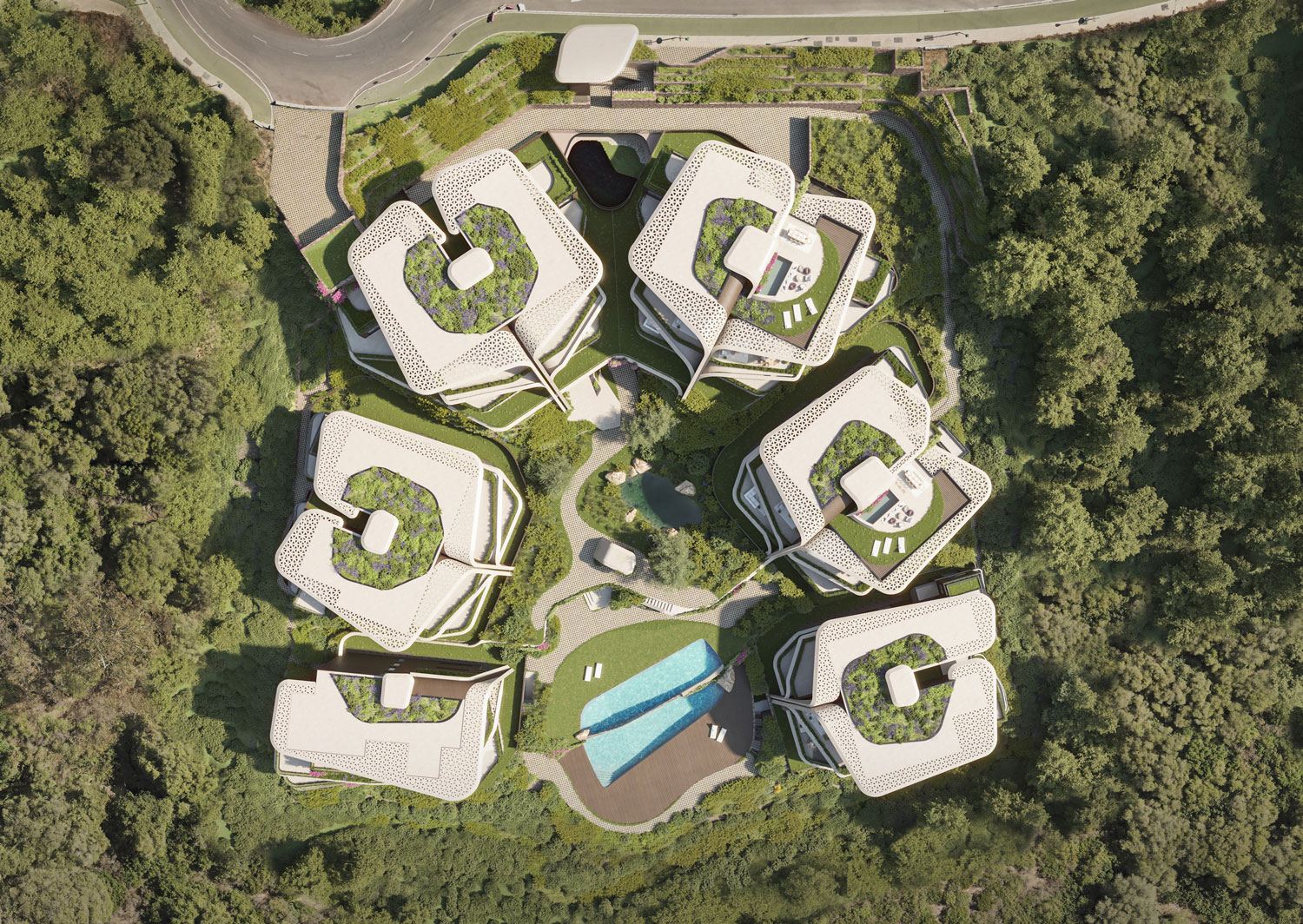
Sphere is a project by Morph Estudio, which aspires to be a model of energy efficiency and responsible resource management. Designed with a natural and organic focus, the design is based on large terraces and gardens that encourage a connection between the indoors and outdoors.
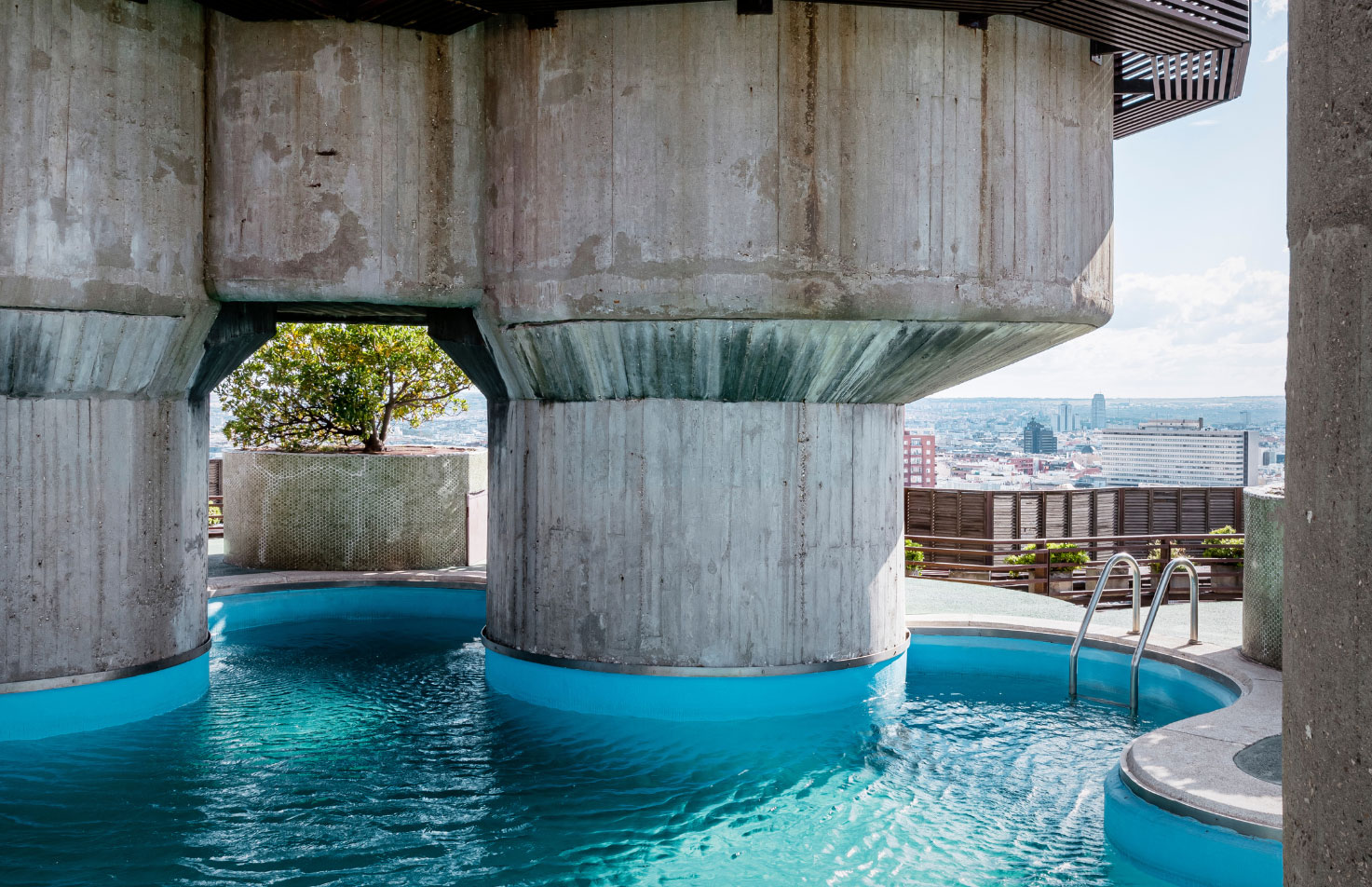
Apartment in Torres Blancas, Madrid, designed by María Lozano, founder of TheDreamLab, located in the iconic Sáenz de Oiza building. The renovation highlights the building’s unique architecture, creating a designer space that makes full use of natural light and the setting’s curves.




