The trend towards living alone reflects a significant cultural shift, driven by factors such as the quest for independence, an ageing population – one in six people are expected to be over 60 by 2030 (Source: World Health Organisation) – and a new approach to personal relationships. Although living alone appeals to a significant number of the population as a desirable option because of the privacy it provides, this decision still presents challenges. Difficulties range from lack of space to a sense of social isolation, which already affects young and old alike.
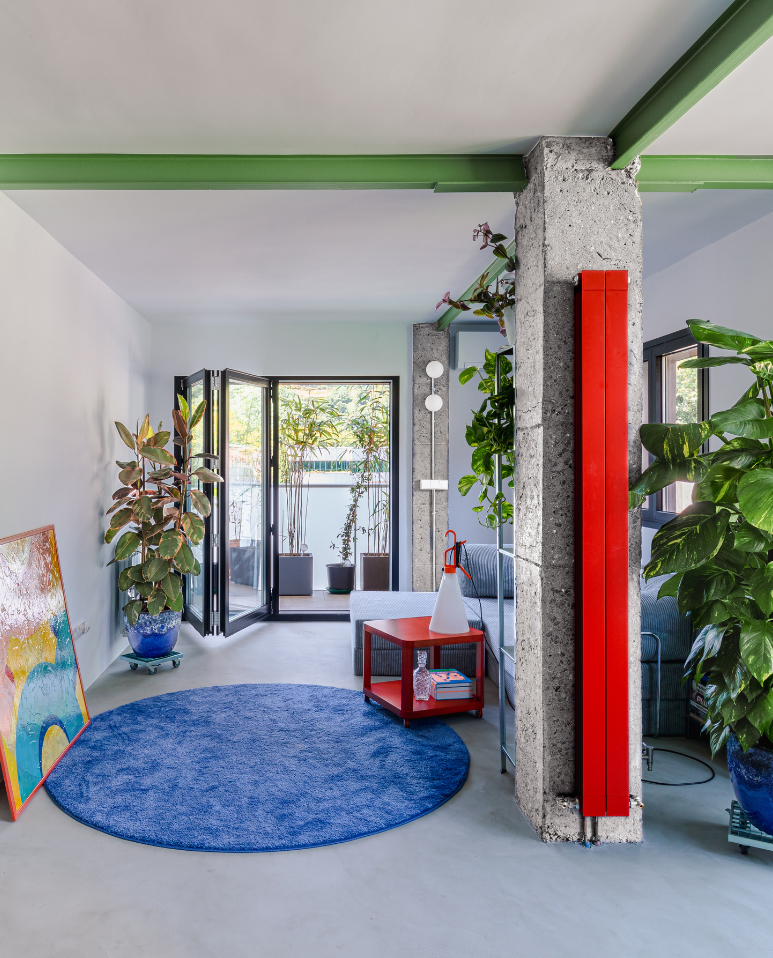
As the population ages, many prefer to do so in their own homes, which has increased the demand for single-person households. In addition, trends such as the 4B Movement – a feminist movement born in South Korea that promotes women’s independence by rejecting marriage, relationships with men or motherhood (Source: The Free Press) – are helping to reshape traditional patterns of living together. In this context, personal autonomy is gaining prominence, reinforcing the attraction for more individual ways of life.
However, opting for independent living does not necessarily mean giving up emotional ties. The model known as Living Apart Together (LAT), coined in Scandinavian countries in the 1960s (Source: Cairn.Info: Humanities Social Sciences), which describes couples in a stable relationship without sharing a house, is making a strong comeback. This approach, which is now gaining new interest in different parts of the world, preserves intimacy and personal space within a romantic relationship. Its adoption is on the rise: in the United States, between 2000 and 2019, the number of married people living in separate homes grew by 25%, reaching 3.9 million in 2021 (approximately 2.9% of married couples, according to El País). In Spain, it is estimated that around 8 % of couples follow this model, similar to figures recorded in England and the US (Source: University of Malaga).
On a smaller scale, couples are restructuring the layout of the home to accommodate new cohabitation dynamics such as ‘sleeping divorce’, where couples sleep in separate bedrooms. An increasingly common trend among millennials: 43% choose to sleep alone (Source: Sleepopolis), reflecting a palpable need to enjoy time alone and assert their autonomy.
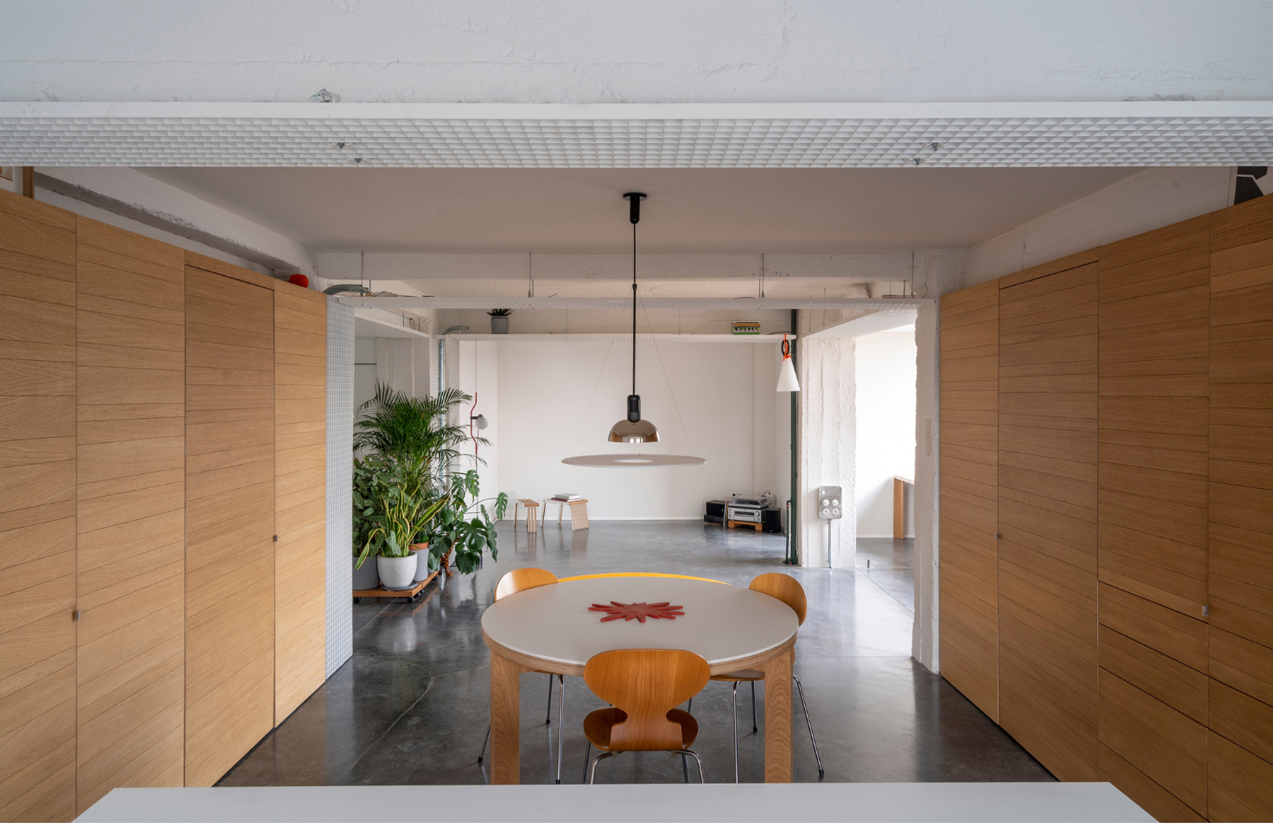
‘Although it may seem an innovative concept, in reality the ’non-binary’ space recovers and learns from ways of living from the past: spaces where work, production, leisure and family life coexisted without strict compartmentalisation. Designing on the basis of non-binarity implies freeing ourselves from predefined uses and typologies; we seek spaces that are not conditioned by labels such as “living room”, “kitchen” or “dining room”.
Luis G. Pachón, Studio Pachón-Paredes
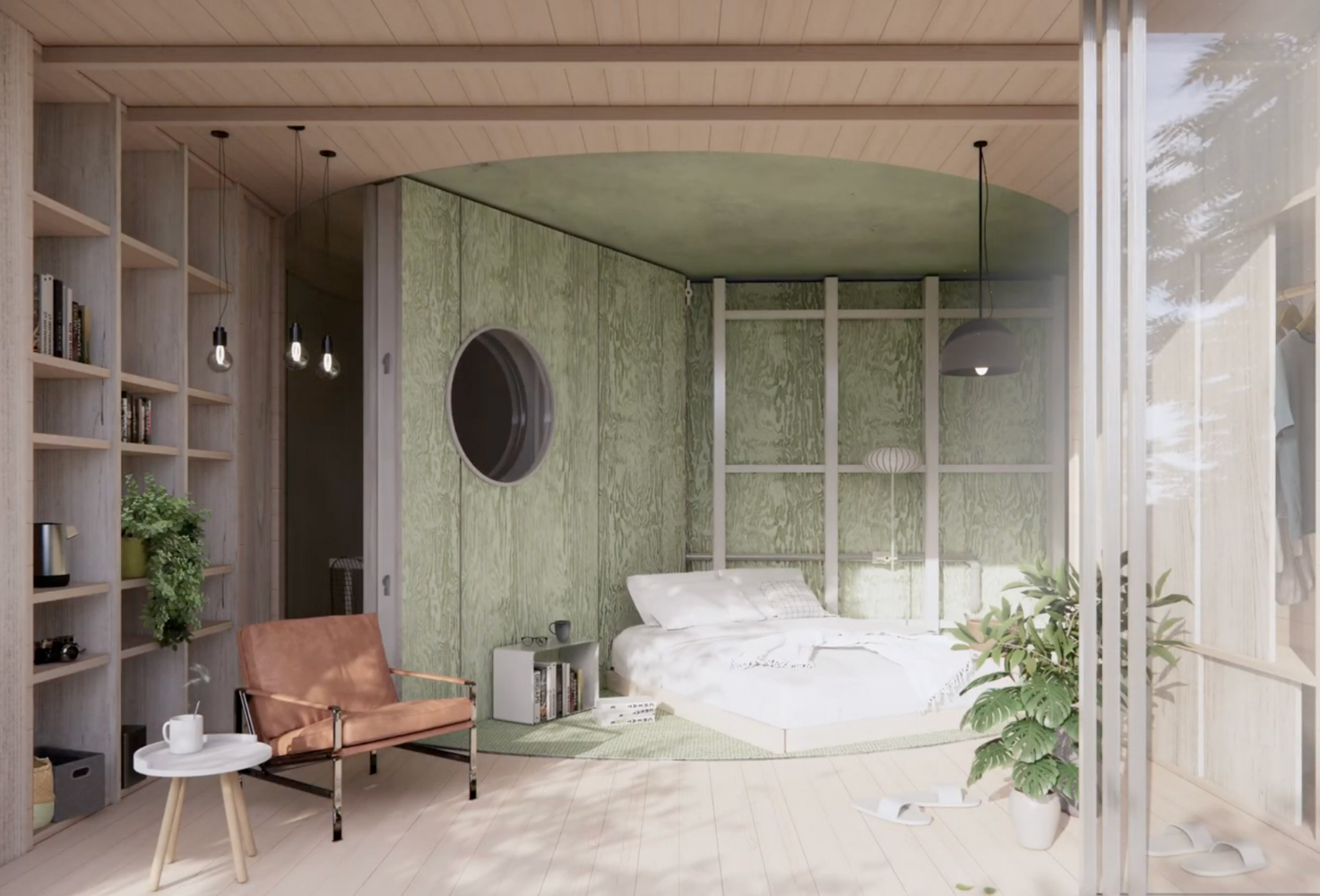
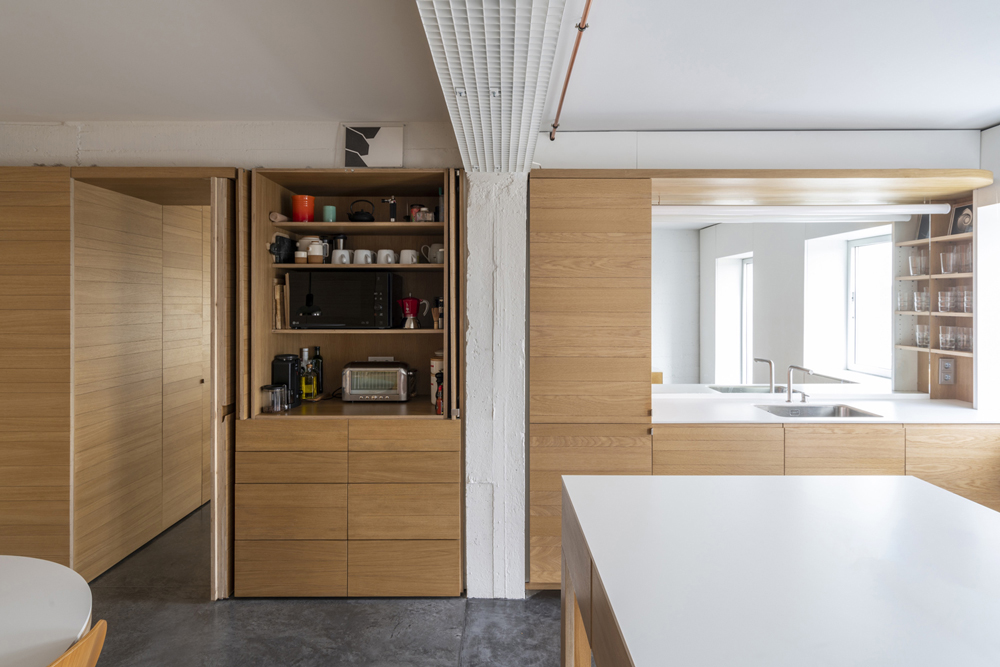
The concept of housing is evolving to adapt to new coexistence structures and individual needs. Something that can be quickly seen in the non-binary housing proposal by the Pachón Paredes studio. A model that defies the rigidity of traditional home layouts and opts for flexible and adaptable spaces, which are configured according to the needs of the inhabitant at any given moment. In the context of ‘Living alone’, this approach allows a single-person dwelling to be more versatile, adapting to different uses without being confined to specific, predefined functions.
The phenomenon of solo living spans a wide range of age groups and consumer profiles and is evolving beyond outdated gendered clichés such as the stereotype of the ‘bachelor flat’. While this lifestyle offers clear advantages in terms of independence, it also brings economic challenges. A study by Zillow, a US-based technology real estate company, calculated the so-called ‘singles tax’, which reflects the additional costs of not sharing expenses, and which can be as high as $7,110 per year. This reality has driven increased demand for affordable and practical housing solutions, such as multifunctional furniture and better optimised spaces. In this context, the principles of non-binary housing are particularly relevant: they propose eliminating spatial hierarchies and designing hybrid environments that transform according to day-to-day needs, optimising space without sacrificing comfort.
As the home takes on more and more activities, transformable furniture plays an essential role, not only for its functionality, but also for its growing aesthetic appeal. What were once seen as inexpensive and practical solutions, such as folding furniture, multifunctional desks or sofa beds, have given way to sophisticated and desirable design propositions.
Desks that hide away, storage systems that look like a single piece but unfold as needed or stools with internal compartments are clear examples of how versatility has become a fundamental principle of today’s furniture.
Strategic wall openings are an innovative way to create space in underutilised areas of the home. These nooks offer small retreats that provide privacy and functionality. Although initially intended for reading and resting, these spaces are evolving to integrate work elements, incorporating folding or sliding designs that hide equipment and adapt to the demands of a multifunctional work environment.
Colour psychology is becoming a key element in the design of spaces capable of evoking different energies and moods. The use of vibrant colours and lighting that stimulates well-being will be fundamental tools for creating environments that not only respond to the functional needs of the home, but also generate positive sensations and favour an emotionally enriching atmosphere.
Customisation, together with accessible DIY solutions, will offer the opportunity to experiment with decoration and transform the home with some frequency, showing a clear reflection of the identity of its inhabitants through the space.
Credits: Supra-Simplicities.
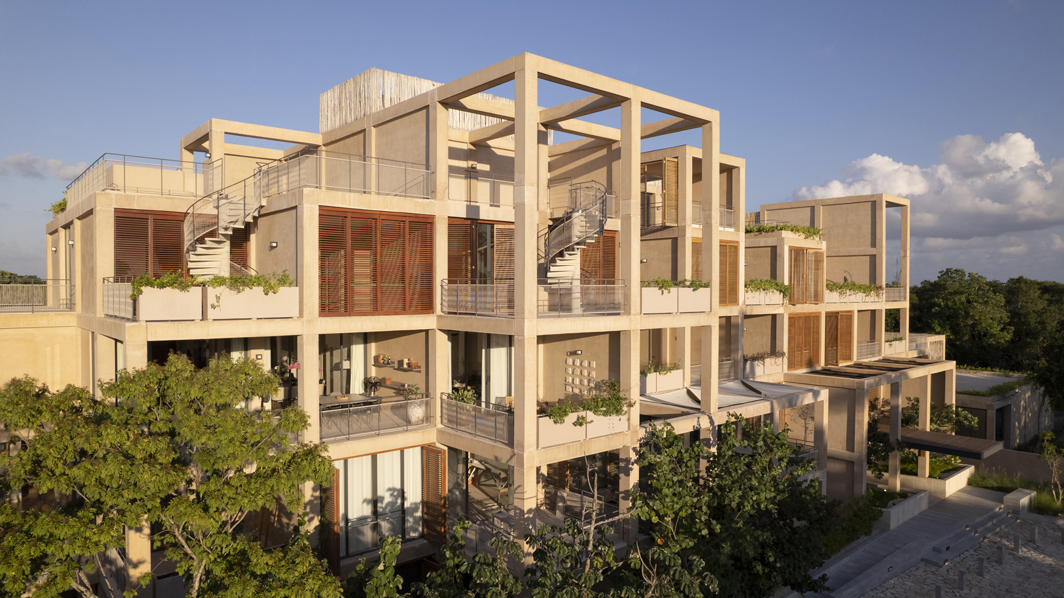
Credits: Óscar Caballero for Sordo Madaleno.
Credits: Luís Asín




