Travellers are no longer satisfied with simply discovering new destinations – they want experiences linked to music, sport, art and pop culture. This phenomenon reflects a transformation in how people view the act of travelling: it is no longer just about seeing, but about feeling, participating and forging emotional connections with what they care about.
Festivals, concerts, world tours, major sporting events, film premières and viral exhibitions have become catalysts for mass travel, redefining the very idea of a tourist destination. In this new context, choosing where to travel is no longer dictated solely by geography, but by each individual’s emotional and cultural calendar. Social media and streaming platforms have fuelled this evolution, intensifying the desire to be where things are happening and to actively participate in iconic moments that were once only experienced through a screen.
The rise of experiential tourism is one of the primary forces driving this trend. Travellers are increasingly seeking out unique and personalised experiences over traditional sightseeing. According to a 2024 report by hotel operator Accor, 78% of global tourists now prefer authentic experiences over shopping or mainstream tourism. Generation Z and Millennials – who account for the majority of today’s travellers – also prioritise trips that align with their personal interests and passions. As Sébastien Bazin, CEO of Accor, notes: “The future of tourism lies not just in destinations, but in the emotions those destinations evoke.”
Pop culture’s influence on travel choices is another factor reshaping the sector. Platforms like Netflix, TikTok and Instagram have turned film locations, TV sets and cultural event spaces into sought-after travel hotspots. According to Expedia (2023), 39% of travellers chose a destination after seeing it in a film or series, while 44% of British travellers say that a destination’s cultural offering is one of the most important reasons for their holiday choice (Source: Skyscanner 2025). Music is also a major driver: global festivals such as Coachella, Glastonbury and Tomorrowland – as well as world tours by artists like Beyoncé and Taylor Swift – not only attract huge crowds but also boost local tourism economies in the host cities. As James Thornton, CEO of Intrepid Travel, puts it: “Travellers are no longer planning their trips just around destinations, but around the cultural experiences they offer.”
“Brand identity doesn’t come from trying to appeal to everyone – it stems from a conscious decision about who you want to address. The clearer your target audience, the more coherent and powerful your proposition becomes. Focusing on a niche means taking risks – narrowing your reach to gain authenticity – but it also allows you to create truly unique spaces with soul, which connect through experience rather than just appearance.”
Raúl Téllez, Minor Hotels
To meet the growing demand from travellers keen to indulge their passion for music, sport or pop culture while on the move, hotels are increasingly investing in themed rooms inspired by iconic cultural moments and figures. From suites adorned with references to legendary album covers to spaces that recreate scenes from iconic films and series, interior design is becoming an extension of entertainment – designed to create enriching experiences and foster a sense of community among like-minded guests.
Far from being merely superficial, studies show a link between exposure to cultural and artistic experiences and positive mental health (Source: BMC Public Health). Hotels are responding to this by shaping interiors that promote well-being and a sense of togetherness, cultivated through spaces and experiences that embrace a wide range of cultural expressions. These experiences not only help build community among guests who share similar interests, but also foster guest loyalty through experiential marketing within the hotel setting. 74% of travellers believe that travel experiences centred on shared interests and passions deepen their sense of connection (Source: Design Hotels, 2024). Exclusive and collectible elements such as custom room keys with designs inspired by festivals or major tournaments, themed amenities, artworks referencing historic sporting moments and exclusive merchandise all form part of the strategy for offering a distinctive and memorable stay.
Incorporating literal references to album artwork, iconic sporting moments and cultural motifs that speak directly to fan communities.
Introducing themed design areas while remaining rooted in the local cultural background and aesthetic preferences of the destination – reflecting its culture and traditions, and avoiding the impression of a theme park.
To attract multigenerational groups travelling for special events, it is important to incorporate flexible features that allow rooms to be expanded or adapted to suit varying needs.
Designing spaces that encourage interaction between guests with similar interests – common areas that invite connection, themed lounges, mini stages for small performances or screenings, etc. Interior design becomes a catalyst for community.
Creating interiors that narrate a story or offer a lived narrative experience – drawing on film scenes, concert settings or sporting events for inspiration. The goal is for the guest to feel immersed in a cultural experience, not merely staying in a hotel.
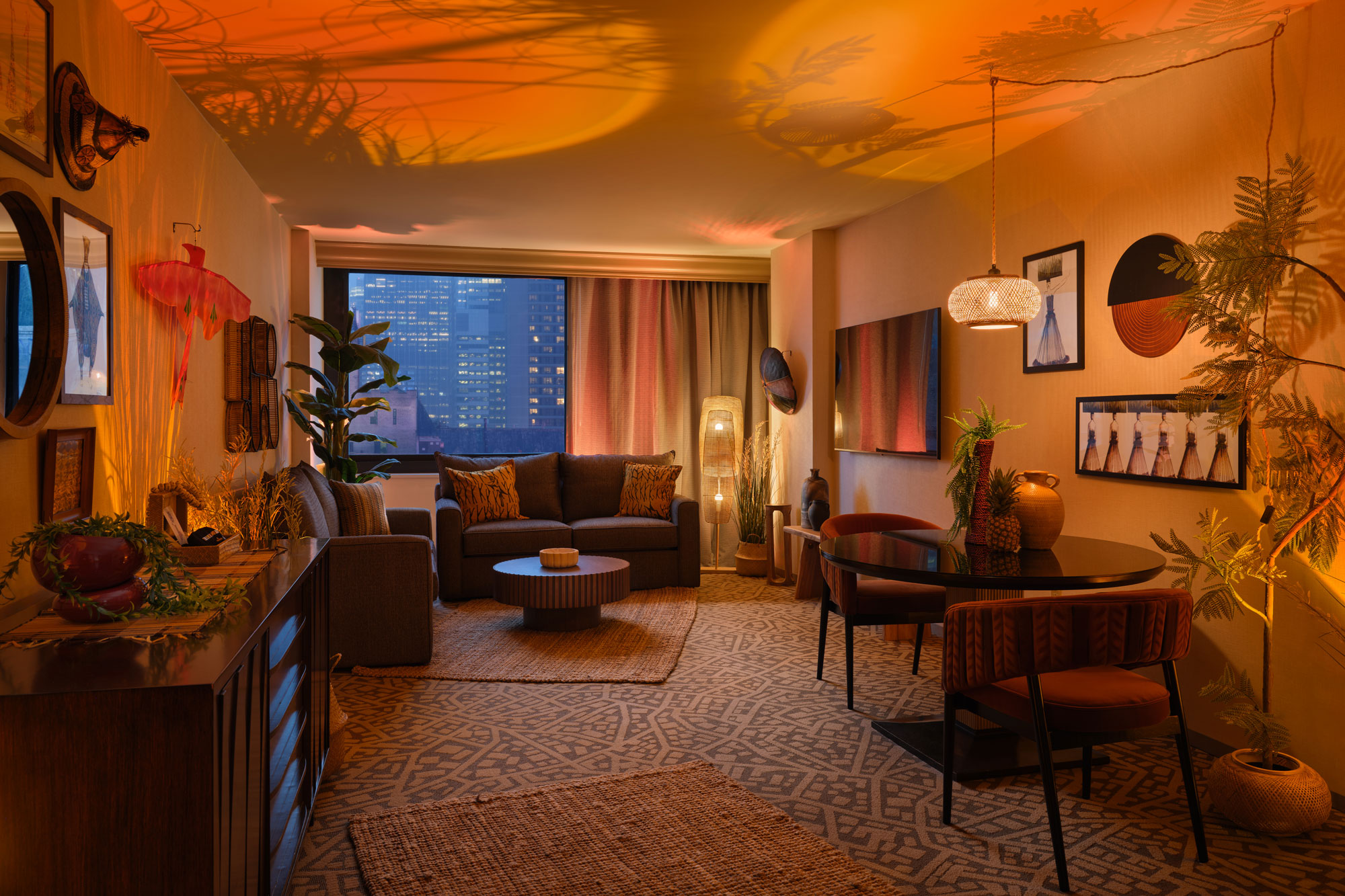
A Lion King-themed suite at the Hilton New York Times Square celebrates the hotel’s proximity to the Broadway musical.
Credits: Drew Gorrie.
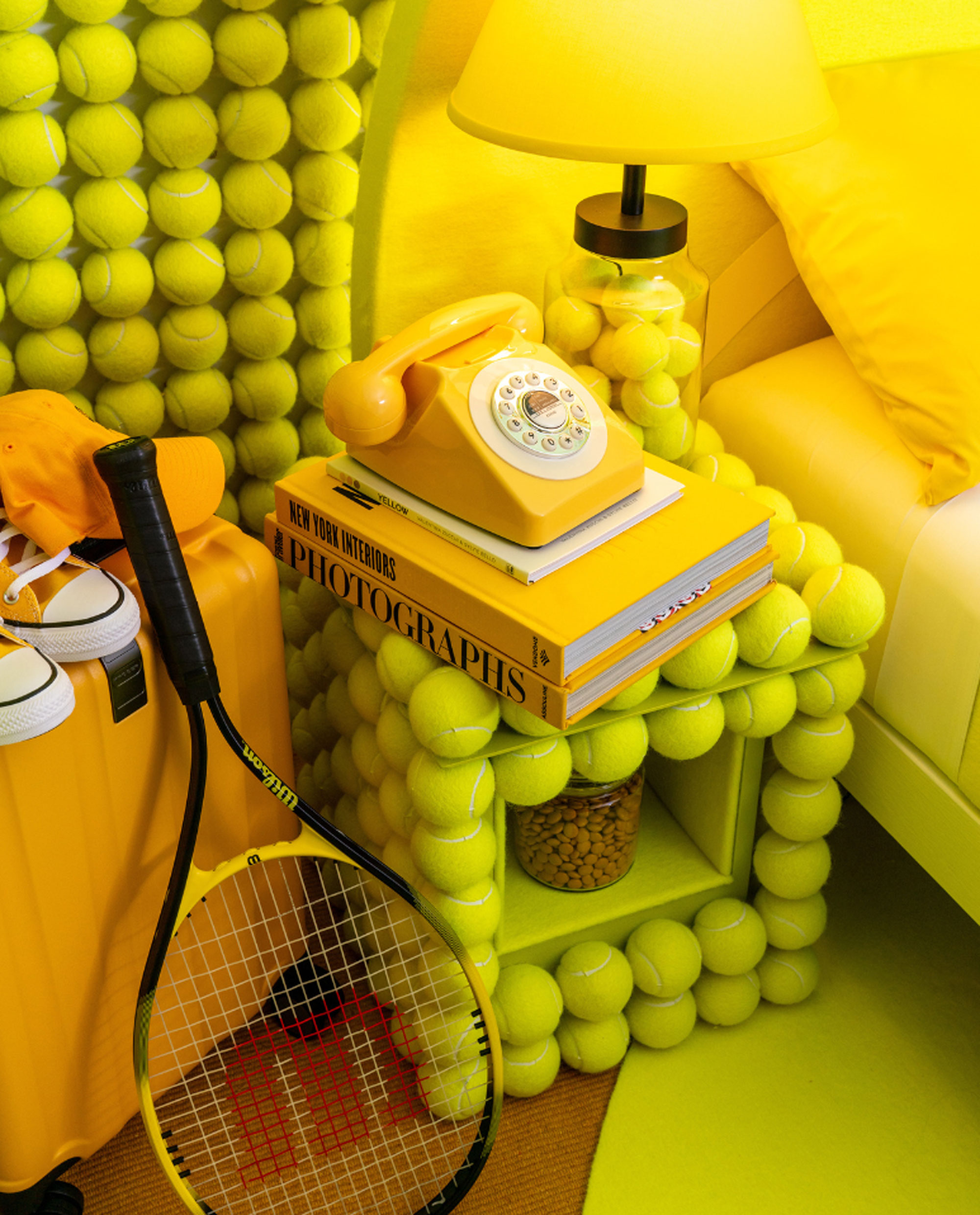
IHG’s Rally Room suites at the Kimpton Hotel Eventi and Hotel Indigo Atlanta Downtown feature bold, themed décor inspired by the US Open.
Credits: IHG Hotels & Resorts.
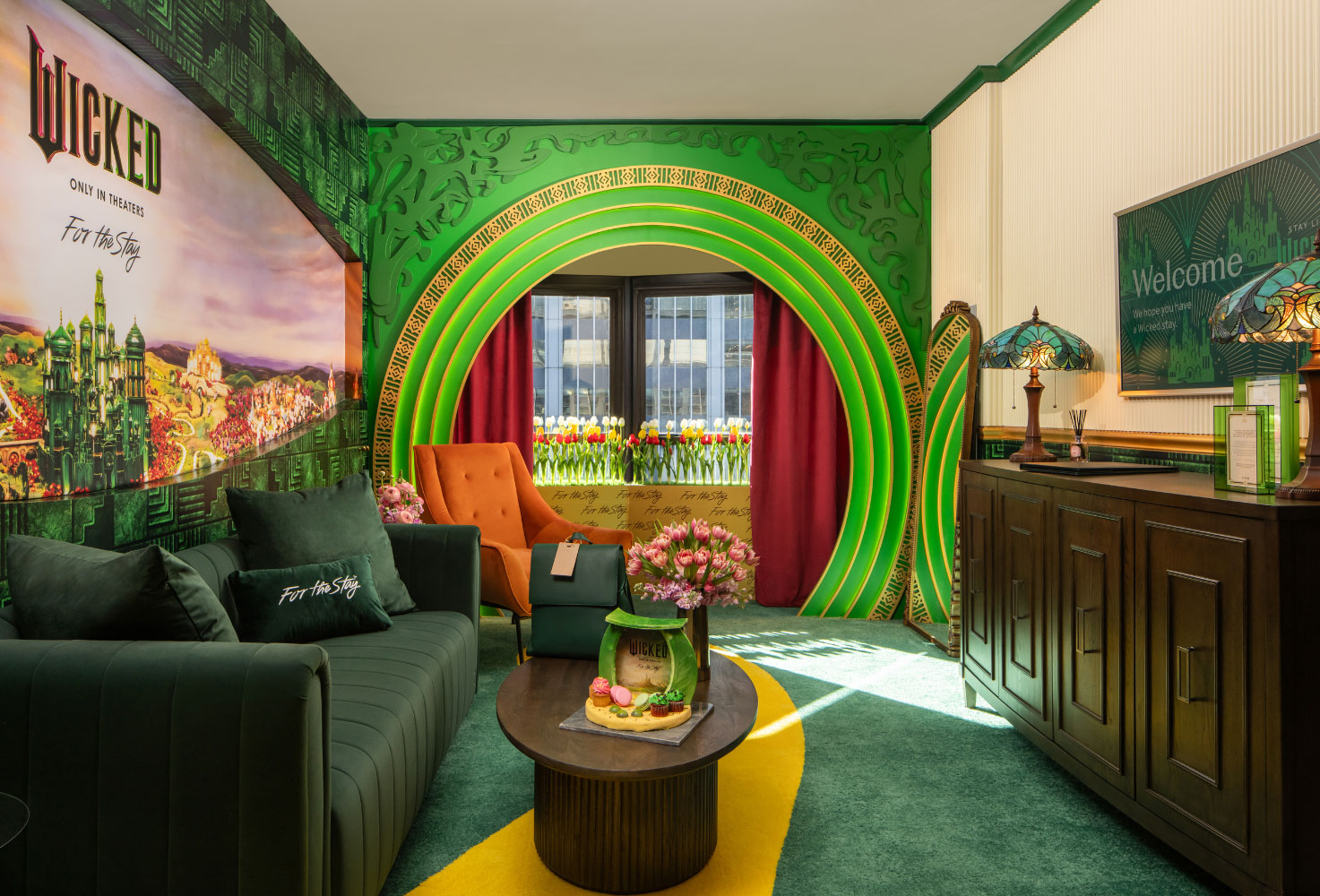
Fans of the film Wicked were able to immerse themselves in the Stay Like Wicked suite at the Hilton Midtown in New York, where, from November 2024 to January 2025, Hilton Group partnered with Universal Pictures to create a space inspired by the Emerald City, evoking the art deco magic of the Land of Oz.
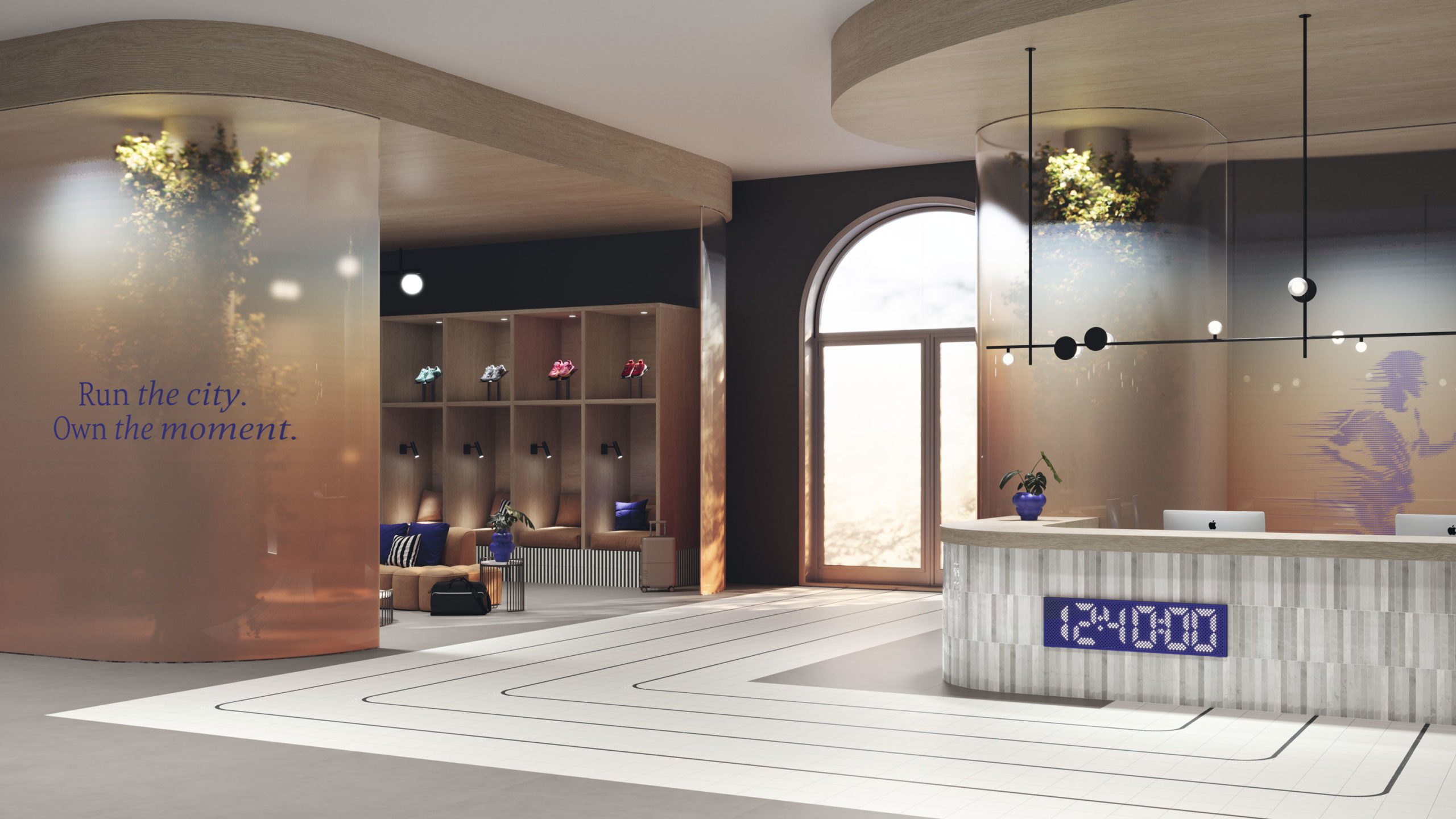
The lobby design blends Mediterranean essence with a contemporary, tech-inspired aesthetic. Furniture has been optimised, decorative clichés avoided and a sophisticated palette is paired with visual references to urban running culture.
Space inspired by the “Event-driven travel” trend




