In the current climate, which is marked by a growing collective mental health crisis and an era defined by eco-anxiety and conscious consumption, the search for self-indulgence in small contexts that permit it, including holidays, has burst onto the scene. This trend underlines the importance of the hotel, not only as a place of passage, but also as a destination: a space for ultimate escape. The urgent need to disconnect from daily concerns has led hotels and public spaces alike to re-imagine their settings, prioritising play and the creation of aesthetically pleasing and emotionally enriching experiences.
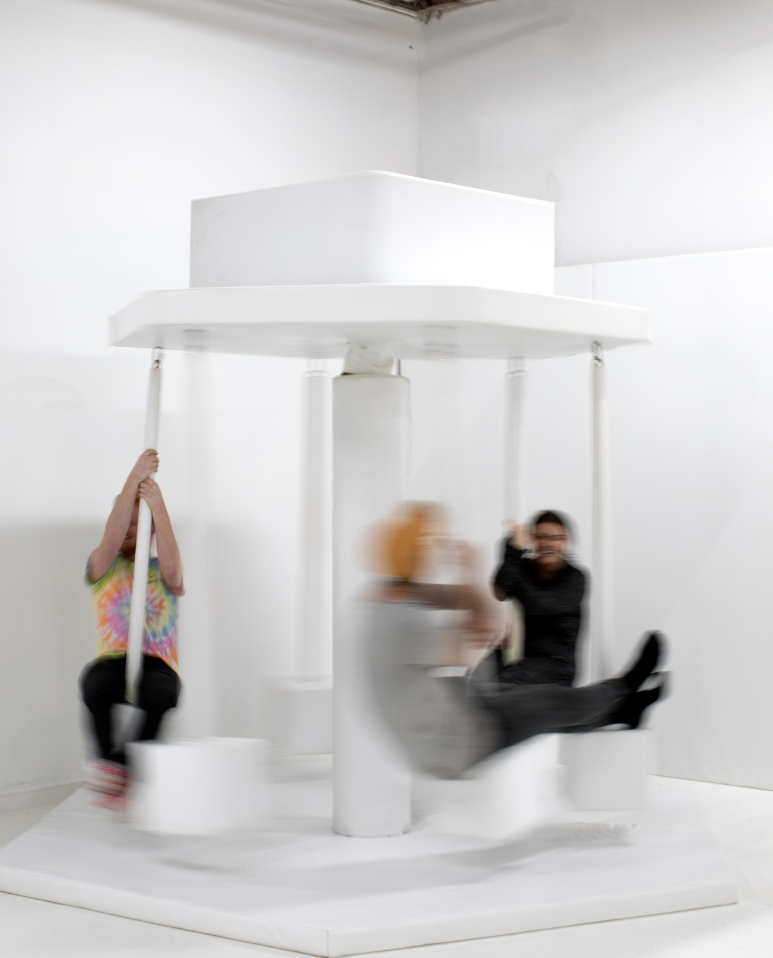
Whether due to the havoc the pandemic played on mental health, burnout culture, or the commotion caused by sociopolitical and environmental uncertainty in recent years, people feel a sense of emptiness that is increasingly difficult to define. Some research studies suggest that anhedonia – the inability to feel emotions – has been increasing since 2020 and its effects are already making their mark (Source: National Library of Medicine). Indeed, 58% of travellers from the United Kingdom seek experiences that take them out of their comfort zone and push them to the limit (Source: Booking).
Research highlights the critical role of play in adults in improving mental well-being, alleviating stress and increasing emotional resilience, aspects that are increasingly appreciated in the design of these spaces for escapism. For example, one study carried out in Switzerland on 255 adults up to 65 years old found that people who dedicate more time to doing fun things with other people experienced a much more satisfactory life.
Additionally, rather than dampening aspirations to enjoyment, the current global polycrisis has sharpened the perception of time as our most valuable asset, with it emerging as a luxury that doesn’t distinguish between classes (Source: Luxury Experience and Consumer Behavior). This means immaterial leisure experiences, such as travel, take on more importance in consumers’ general budget.
Lastly, we’ve also got two generations – Generation Z and millennials – that are taking on more responsibility with regard to global environmental challenges. While they are the generations that are most aware of the impact of their consumption, the burden of responsibility to be sustainable means they seek moments of escape in order to cope with their ecological anxiety.

“The notion of luxury has evolved considerably. It’s not just about a good service and conveniences; luxury is deeply rooted in authentic experiences that offer proof of where to go, what to show and what type of craftsmanship to promote.”
Peter Bundgaard and Signe Bindslev, Space Copenhagen
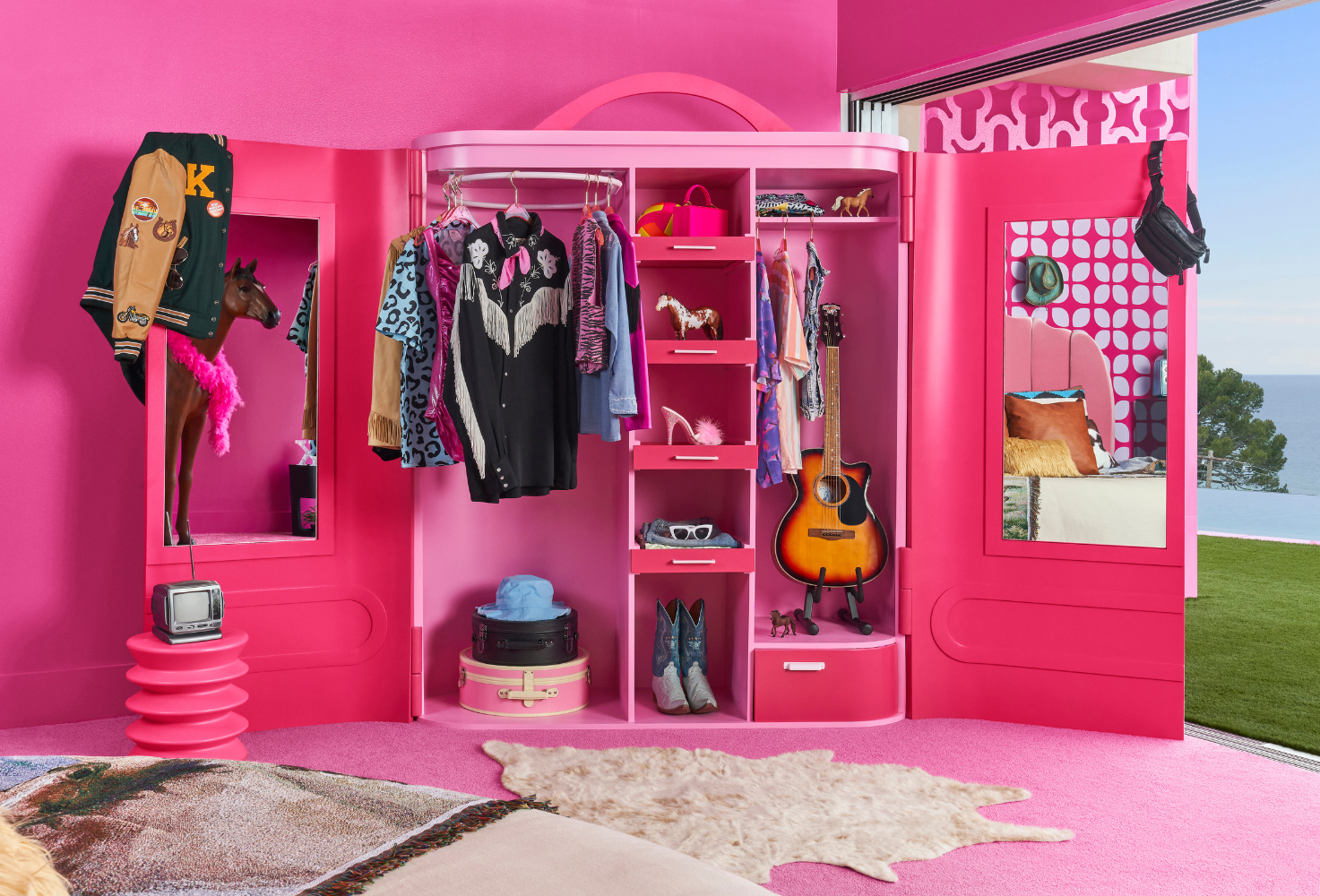
The experience economy’s consolidation as the dominant business model reflects a critical change in the hotel industry. Hotels are no longer solely focusing on selling accommodation, but rather on offering memorable and transformative experiences as the nucleus of their service. Investment in creating moments of awe and pleasure, which can range from private concerts to unique gastronomy experiences and integrated wellness activities, are becoming essential.
The design of hotels will be transformed to offer spaces that can adapt to different types of experiences and activities. Flexibility will become a key element to accommodate the different ways of pleasure-seeking and escapism among guests, from games and recreation areas to quiet spaces for meditation and withdrawal.
For designers, these desires for fun and play are a chance to attract people to hotels through maximalist, positive, humour-filled environments that offer moments of enjoyment. For this reason, new hospitality spaces present structures and furnishings that are inspired by children’s playgrounds, cartoons and television series, pushing users to physically interact, thereby discovering new forms of expression. Encouraging play between adults is becoming a way of releasing stress, provoking positive emotions and leading to an increase in life satisfaction.
The demand for unique and customised experiences means hotels will need to invest in understanding and anticipating the specific needs and preferences of each guest, which could translate to the inclusion of advanced technologies to gather and analyse customer data. This would enable the creation of personalised offers that range from room choice to gastronomy and personalised entertainment experiences inside the hotel, thus ensuring a unique and profoundly personal stay for each visitor.
Structures and furnishings inspired by children’s playgrounds, cartoons and television series, pushing users to physically interact, thereby discovering new forms of expression.
Encouraging play between adults is becoming a way of releasing stress, provoking positive emotions and leading to an increase in life satisfaction. The key is to prioritise play when designing spaces, not only as an aesthetic, but also as a function.
The interiors that involve the history of a place or convey the legacy of a brand coincide with the desire of consumers to enjoy more authentic, immersive experiences.
The introduction of play doesn’t conflict with aesthetic trends that connect the adult world with luxury.
Strategic implementation of gaps in walls is an innovative way of configuring spaces that materialise or are hidden away.
Artists, designers, creators and instant cultural phenomena can collaborate to transform the lobby space into a place where it’s happening.
New partners are emerging in the business of technology, where the technology and aesthetics of video games come to the fore. Technologies like NFT offer new opportunities to work the exclusivity and loyalty between the new generations of the super-rich.
Los Felices Hotel is reviving the charm of the style seen in the middle of the 20th century, in the 1960s, in Palm Springs, restoring all its glamour and focusing on indulgence and pleasure. The concept, by Ilmiodesign, is the ninth concept hotel to open in Ibiza.
The Australian artist CJ Hendry has created the artistic experience Plaid, a two-storey space spanning 1,524 m2 in Brooklyn that’s decorated in coloured beams and focused on the theme of nostalgia and play. “Plaid encourages spectators to connect with their inner child and experience the simplicity of joy before growing up and feeling the weight of adulthood,” Hendry explains. The exhibition is supplemented by 24 original artworks created by Hendry.
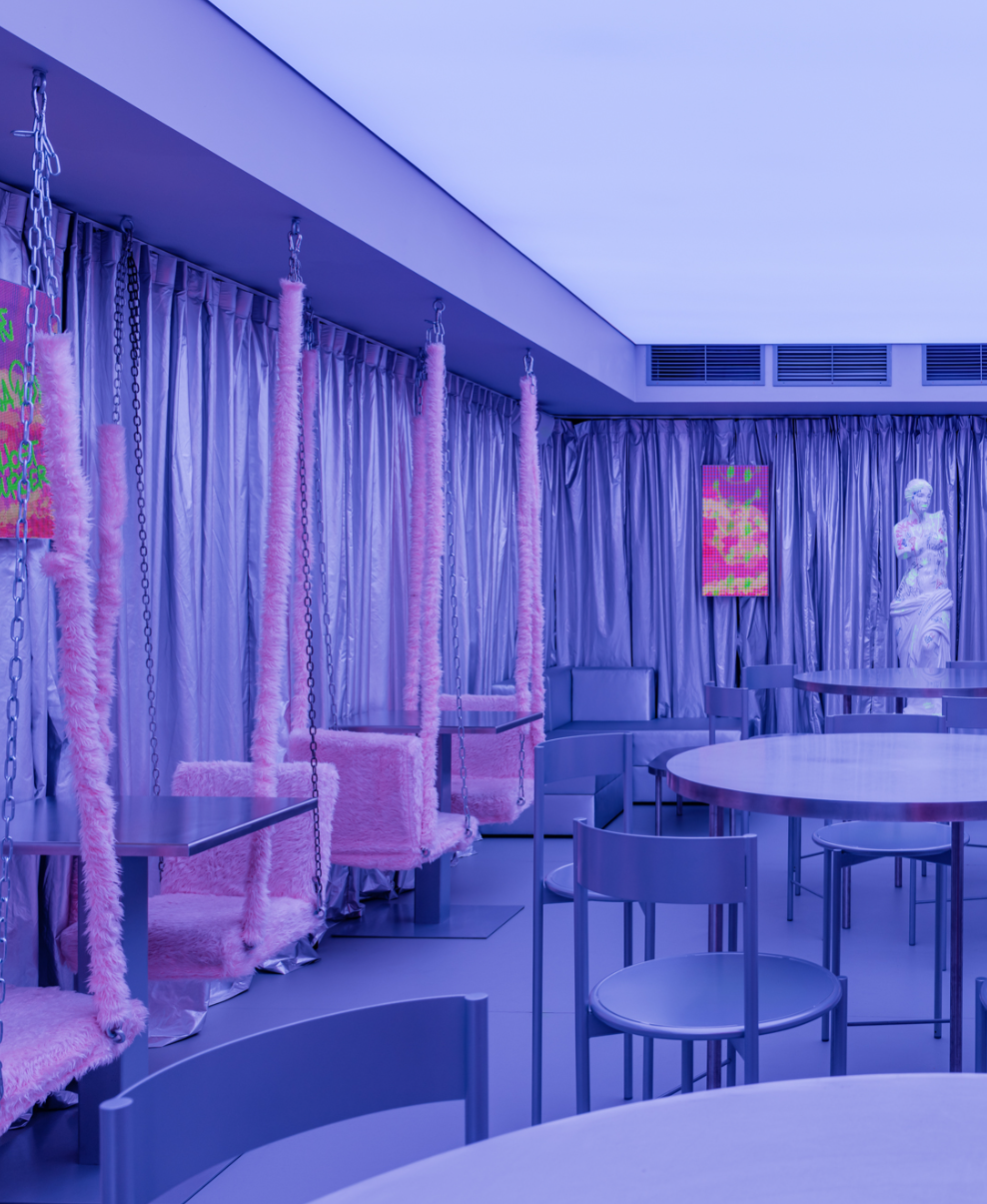
Conceptual project for FoodX 2.0, a restaurant chain in Poland. Images created by Nova Studio (Lukasz Staniewski).
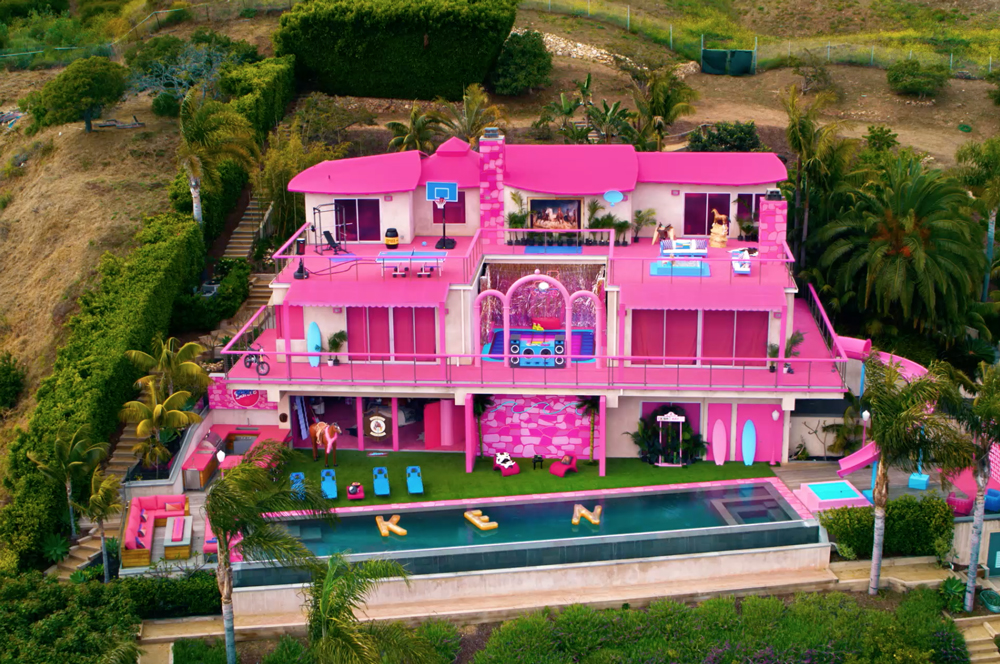
Airbnb posted the Barbie Dream House in Malibu, a real-size replica of the famous doll’s house, on its website. After the movie hit cinemas, a version of the Mojo Dojo Casa House was made and themed with experiences based on Ken’s house.




