The work landscape is experiencing great change. Not only due to remote models and mixed working days divided between the office and the home, but also because of new paradigms, such as polywork, which is a model where people combine more than one job with the goal of exploring different professionals careers simultaneously.
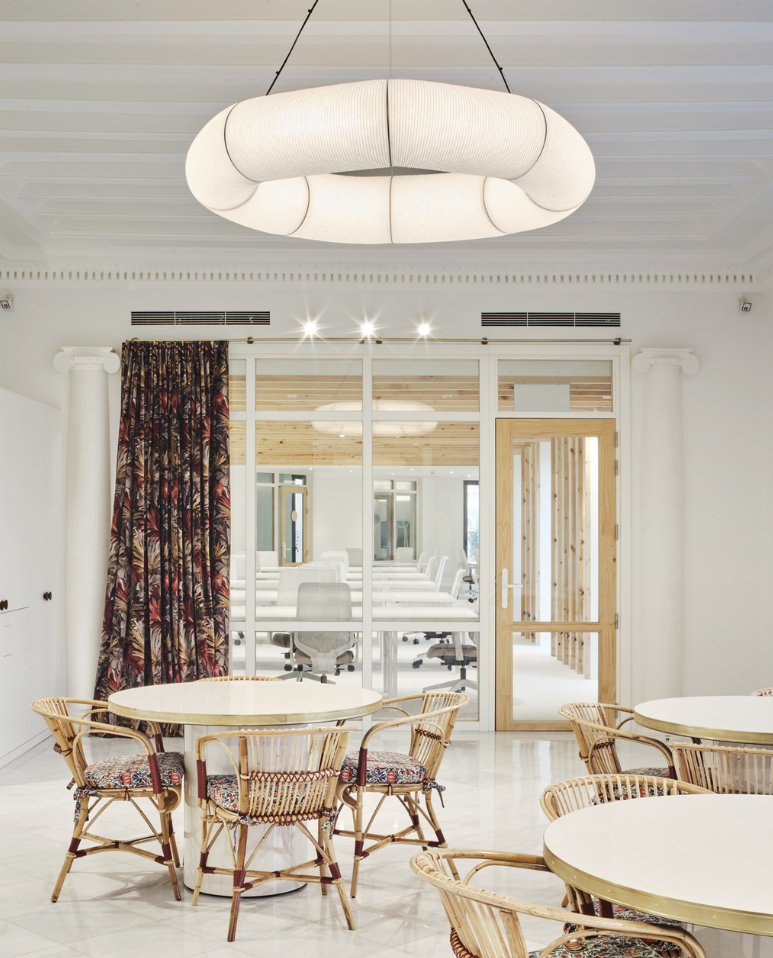
A coworking space offers flexibility more naturally, while it also explores a new work culture: collaboration. 64% of employees view working in a shared space as more enriching in social terms than doing so in a conventional office or at home (Source: Harvard Business Review). This is combined with the generational overtaking, which will expand this model’s relevance. In 2023, a sufficient number of boomers retired to see members of Generation X and millennials take on management positions. The cultural shift is underway.
In terms of companies, in the coming years models that enable them to increase and reduce workforces more dynamically are expected to emerge. Many companies will have implemented more flexible hiring and third-party collaboration policies. It’s likely that they will reduce their permanent workforce and hire more ‘permanent freelancers’.
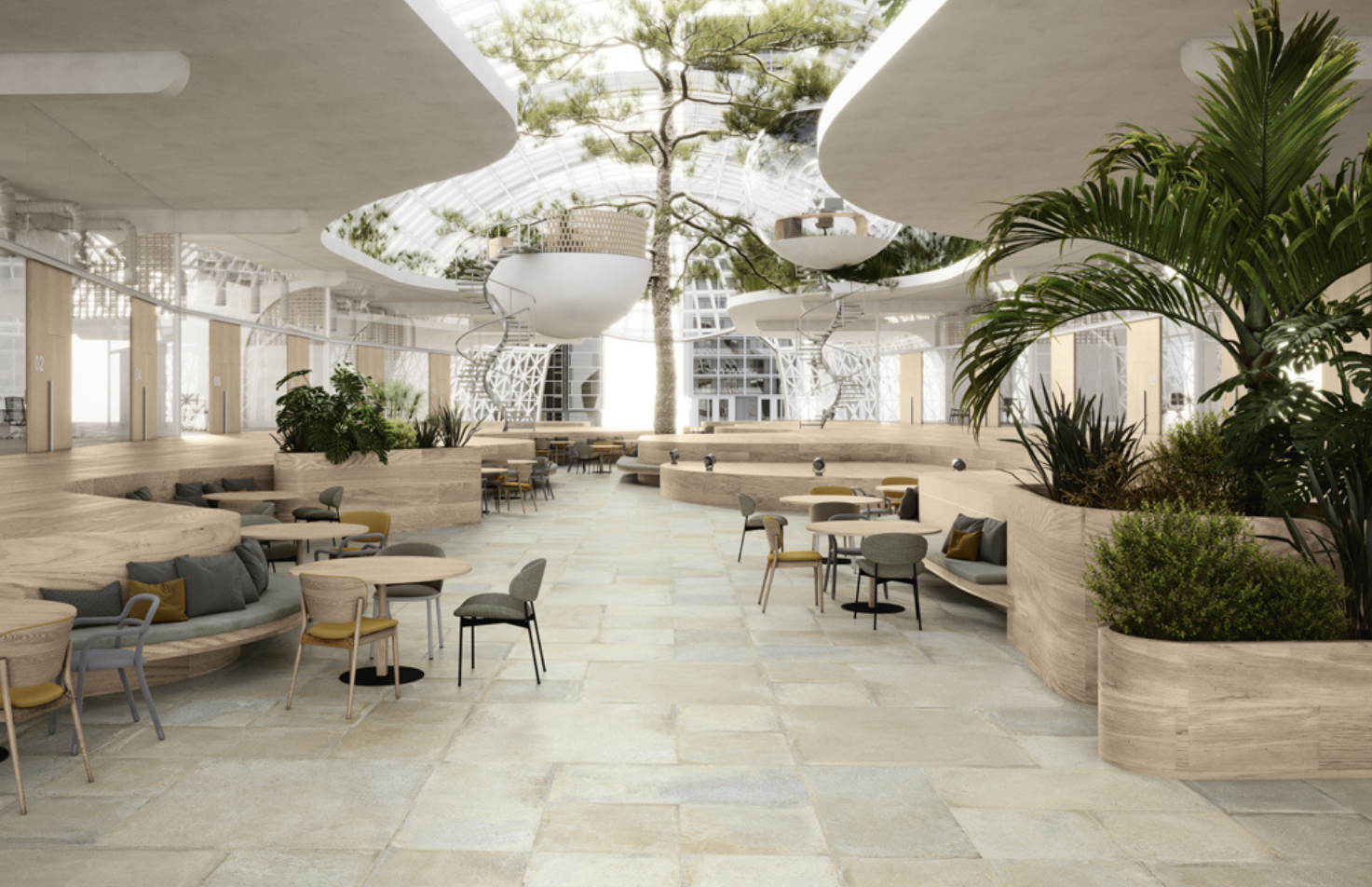
“The concept of working has evolved; initially for freelancers and SMEs, now companies view it as yet another alternative. Although it involves additional costs, it offers an attractive, flexible space in privileged locations that serve as a cushion. The presence of a coworking space makes furnishings more attractive, as it provides tenants with peace of mind should they need to expand or reduce the space, thus increasing the asset’s value.”
Mar Gómez-Luengo Bermejillo, Tétris
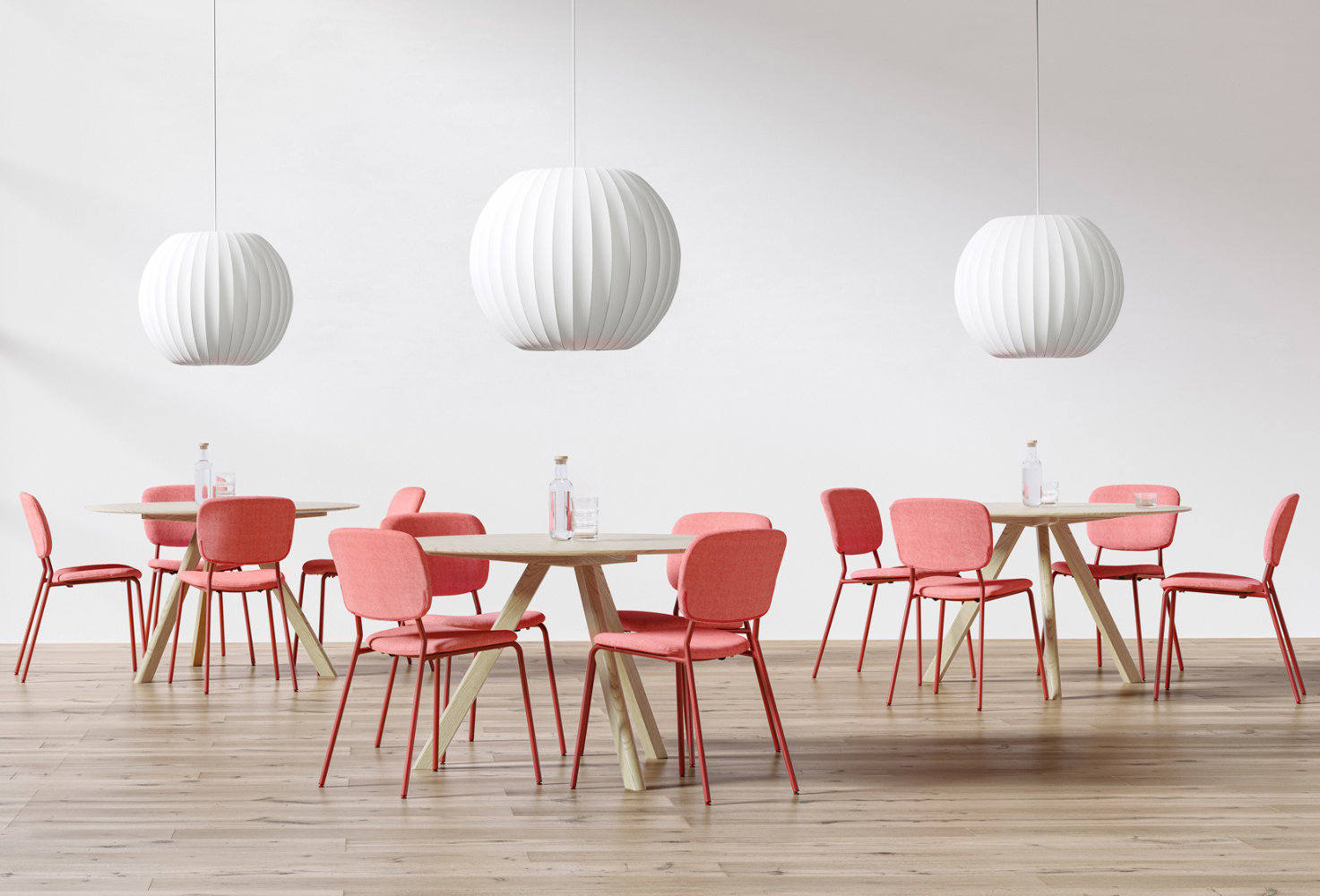
The real estate industry is responding to the demand for flexibility in the world of work with solutions that go further than simple space management. These formulas include a full range of services designed to facilitate companies’ daily operations and their employees’ daily lives, from the rental of furnishings and technology to amenities for employees or access to collaboration networks.
In terms of architecture, the challenge lies in creating spaces that offer the flexibility required for clients to simply and quickly expand or contract their work areas. This involves a smart design that enables the space to be customised without the need for large-scale interventions. The ability to adapt the physical space to the fluctuating demands of companies is key to ensuring this model’s success, which demands a reinvention of traditional work environments towards more fluid, modular configurations.
A new type of leadership is ushering in a new way of understanding management spaces, where hierarchy disappears. The space or privacy assigned to the office isn’t a question of status, but rather one of need.
With alternative solutions for applying the colours and logo, coworking spaces must find ways to help companies convey their own culture through the space.
The culture of collaboration between brands requires spaces that encourage meetings between the different companies that inhabit these places.
The reality of companies is changing, growing, reducing… Both the space and the solutions must offer maximum flexibility.
WeWork has also launched the business of spaces for corporations with WeWork Workplace. This project offers
full, ready-to-use floors for companies, the option of mobility between the 30 countries where the company is present, and customisation of any element, such as equipment and services.
Executed by the architectural studio Scob, the coworking space for companies, LOOM, can be found at Casa Pich i Pon of the architect Puig i Cadafalch. Scob’s strategy for this refurbishment stemmed from the desire to restore the large spaces, which were historically designed as flexible areas, and enhance the LOOM values that align with the Noucentisme cultural movement: natural light, connection with the outdoors and diaphanous spaces.
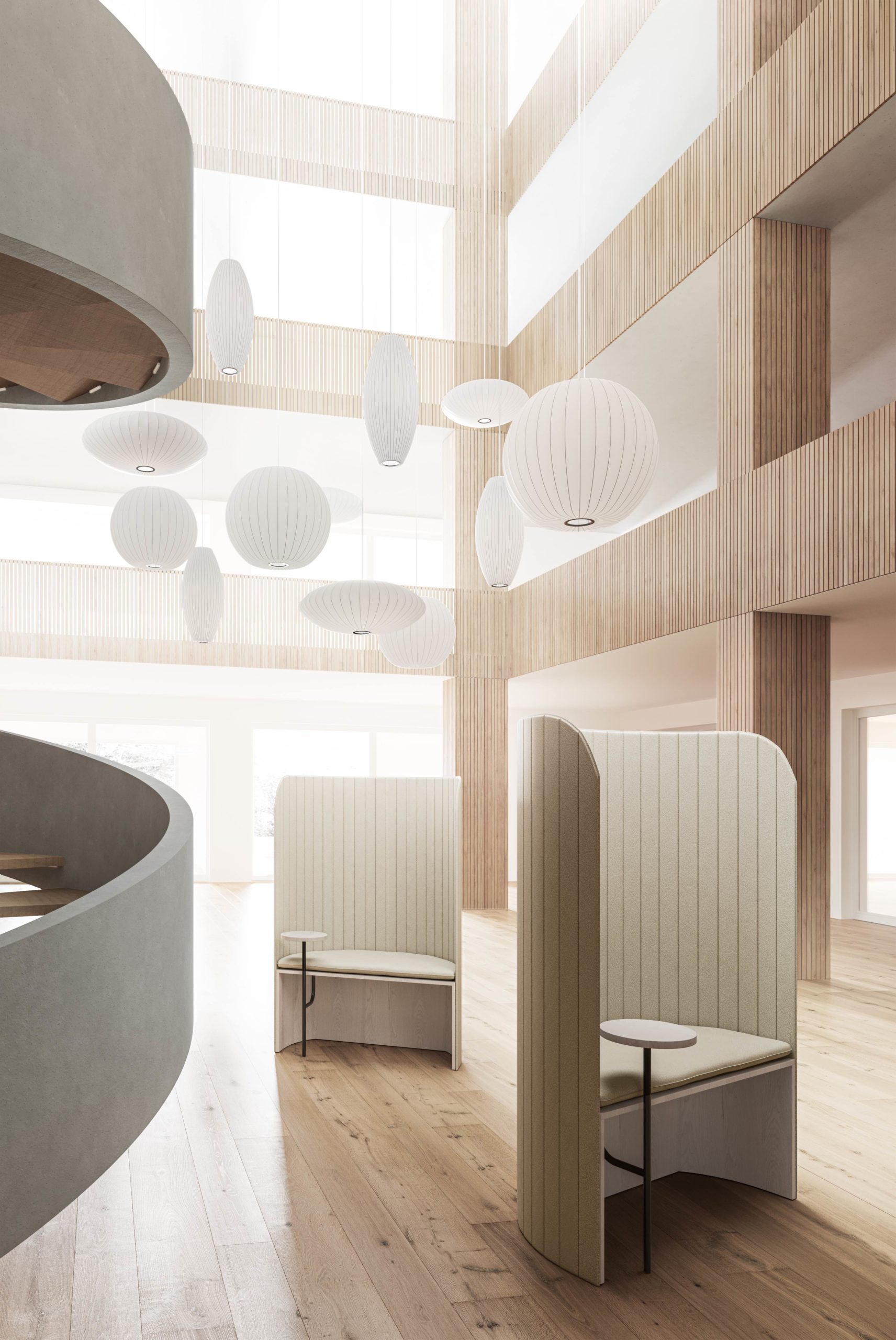
The Danish office furniture subscription service Nornorm was launched in the United Kingdom in May 2023 with the goal of helping companies to significantly reduce their environmental impact by replacing single-use office furniture with renting and product reconditioning models.
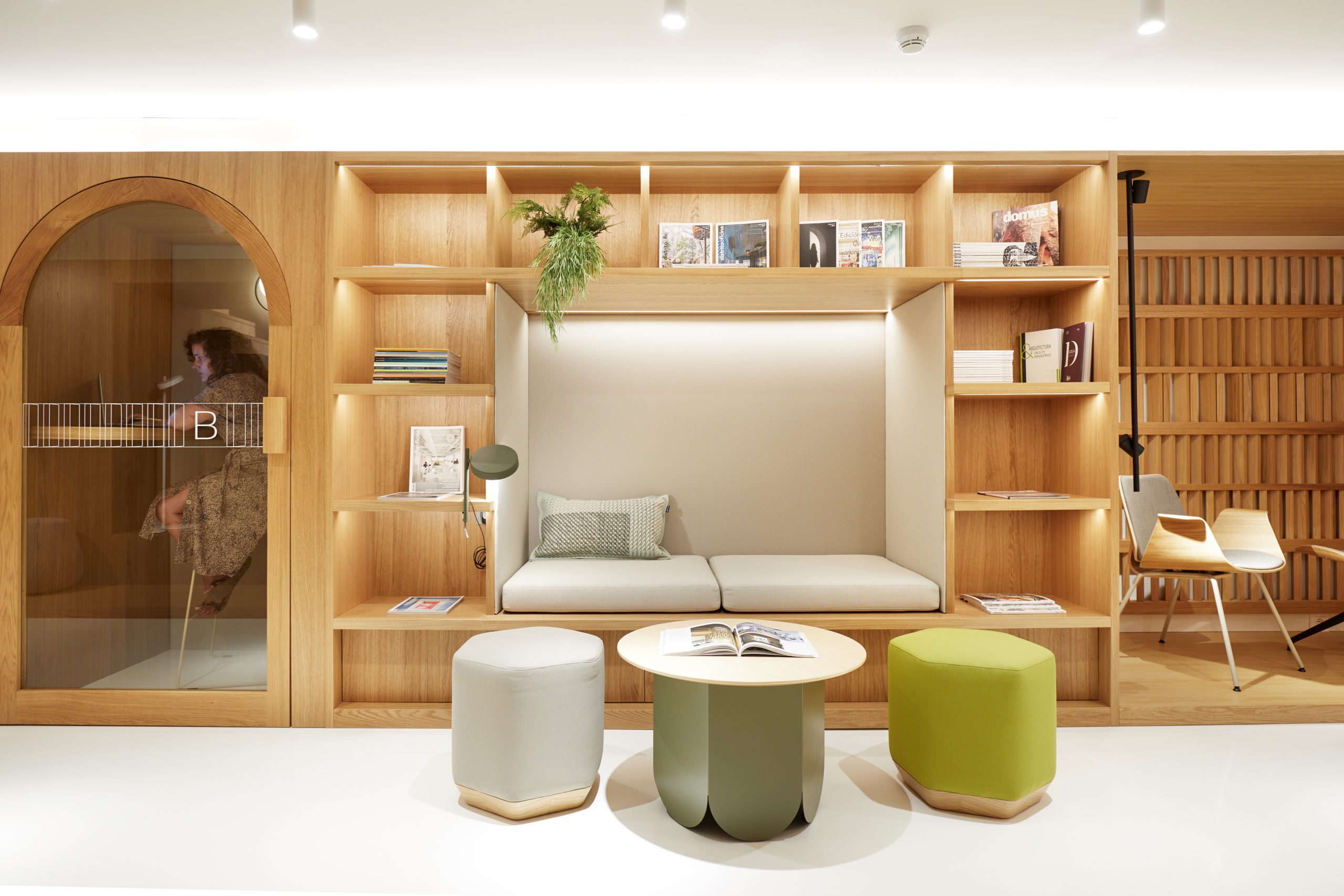
The Bernadí Hub space in Barcelona, conceived and designed by Miquel Àngel Hierro, partner of Grup Idea, moves between retail space and workspace. It’s a collaborative space open to the network of professionals articulated around The Next community, which brings together space planning specialists from different disciplines.
Photography: Vicenc Prats, Starp Estudi




