We’re facing a context marked by purpose. For example, luxury consumers are looking to a brand’s archives and history with the goal of finding deeper knowledge of the goods they purchase, in search of a connection to products and brands that resonate with their own values and lifestyles. A way of finding relevance and meaning in their moments of consumption.
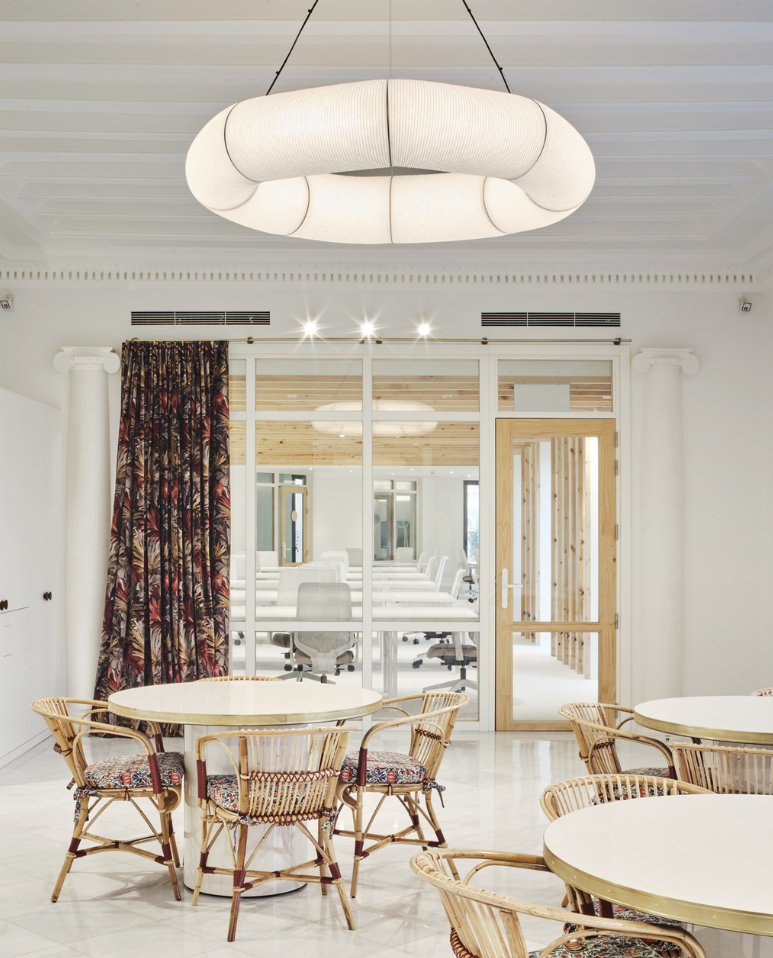
For some time now, exploring the centres of Europe’s main cities invokes in passersby a sense of familiarity, as if they were each replicating an identical pattern. Cities’ old quarters, which were formerly the most expressive zones of local identity, have become places around which optimal conditions of centrality and connectivity, both in terms of transport and international economic networks, have been built. This last point has become a globalisation agent of each city’s unique style, destroying these cities’ authenticity from the inside.
Urbanalisation – a term coined by geographer Francesc Muñoz – is the phenomenon that explains why leading city centres are mimicking one another today. The use of the ground floors in city centres by global commercial chains and franchises has altered cities’ images, making them look dangerously similar.

“The idea of connecting the local identity with retail spaces through design not only adds value to the project, but it also enables it to stand out from other stores, especially in a context filled with franchises where differentiation is crucial. It’s a creative and strategic challenge, but one that’s essential to creating a meaningful, authentic retail experience.”
Alberto Eltini y Marina Martín, El Departamento
In light of this scenario of standardisation, luxury stores recognise the power of margins, of that something that eludes the masses, and the store is now respon- sible for enhancing and personifying the brand’s past and present DNA in a cultural and artistic context that’s also influenced by its location.
Young people are leading the way, ensuring that brands dust off their archives and offer much more than the products in their stores: they want to actively participate in the brand universe. With the boom of streetwear and the second-hand goods market, which is expected to double between now and 2027 (Source: ThreadUp), younger millennials, together with generations Z and Alpha, are true connoisseurs of the history behind brands’ iconic products and avid archivists. They have a vision of consumption based on the exchange of knowledge, access to exclusive products, community and craftsmanship.
The store functions as a museum, and the objects and reissues as artworks to be visited. Although they are also available to purchase, this approach helps attract new audiences to the brand’s universe.
In the search to uphold the city’s cultural and historic legacy, shops are moving into establishments with history, seeking spaces with an architecture (whether classic or modern) that sees the store turned into the destination.
The façade becomes a blank canvas where creativity and design come together. Much more is invested in this area than before, precisely because of the need to stand out from the crowd.
Stores are using the codes of places like museums and art galleries and including them in their own language in such a way that the product display starts to resemble the world of art rather than retail.
Not only are pop-ups back as a space where people can explore limited editions, but they’ve also returned as a space where people can connect with a brand’s history and, thanks to their ephemeral nature, they offer greater freedom in design quality.
When ABBE (Artesanía Bordada), a leading company in the production of artisanal products designed for Fallas monuments creators, contacted Clap Studio to design its showroom in Valencia, the studio began the project with the goal of identifying a robust, strong concept that represents the brand. As a result, Clap was inspired by the Fallas to create a showroom that celebrates the bloom and transition from winter to spring.
Prada has used the pop-up museum concept to invite Chinese fans to explore its cultural history. The exhibition explores the manufacturing origins of Prada’s leather items and its history from 1913 to the present day, with each decade represented via displays of archives and artefacts.
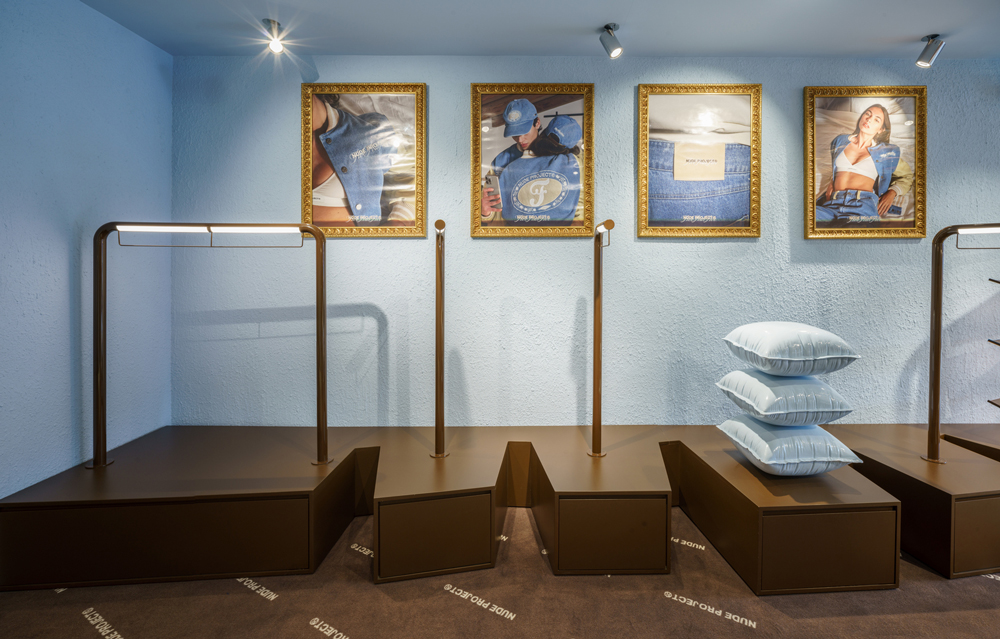
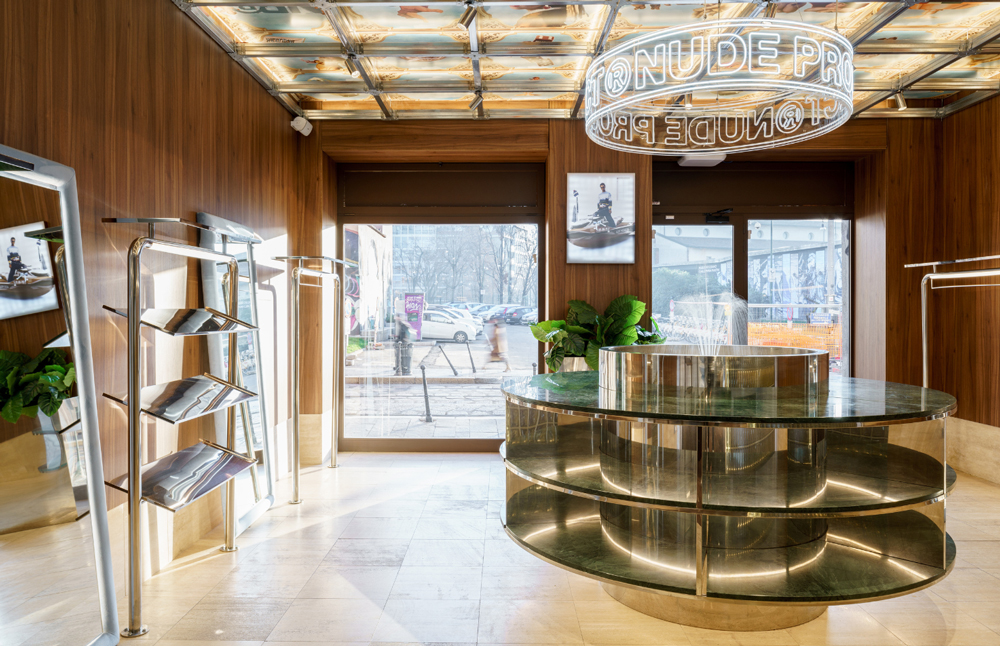
El Departamento has created the first Nude Project (a Spanish streetwear brand) store abroad, on one of the main shopping arteries in Milan. The conceptual proposal for the space, named ‘Il Palazzo’, was inspired by traditional Italian palaces and has seven distinctive elements that invoke luxury and sophistication, from ‘Il Tapetto’ to ‘Il Giardineto’. With this project, El Departamento merged the rich Italian heritage with Nude Project’s modern vision to consolidate the studio’s position as international leaders in design and fashion.
The store of the shoes and accessories brand HOFF in Majorca is, according to its designers, “a space beyond a traditional shoe shopping environment, where HOFF’s commitment to purity, clean lines and simple geometries in its products is highlighted.” Designed by the studio Cisdak Dalmas, the space is comprised of materials (such as marble, stone, ceramics and lacquered metal) that extol the place. This zen environment has large windows offering views of the Avinguda Jaume III, one of Palma’s main streets.
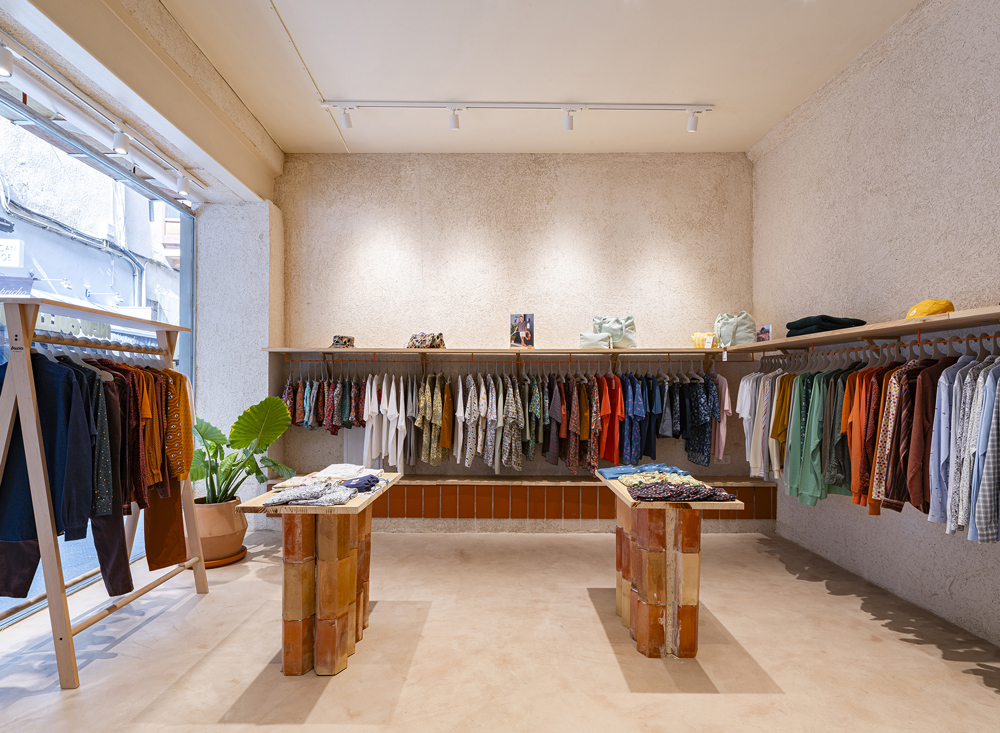
Brava Fabrics presents its shop in Majorca with a straightforward, unpretentious concept but a great challenge: uphold the brand’s essence while mimicking the local culture in the space. This space was designed to generate tranquillity, the Majorcan essence and serenity when shopping. Made with representative local materials that connect with the place’s culture and tradition, including wood, ceramics and lime mortar, it all falls within a very Majorcan colour palette.
Brand: Brava Fabrics. Architects: Laboquería. Local collaboration: Munarq




