Until now, shop design has focused almost exclusively on the consumer, overlooking those who spend their entire working day in these spaces: the employees.
Today, amid high staff turnover and increasing difficulty in attracting and retaining talent, companies are beginning to recognise the need to improve working conditions. This awareness now extends to physical space, prompting designers and brands to rethink in-store work environments — incorporating more functional break areas, ergonomic workstations and solutions to alleviate physical and mental fatigue.
Spain’s retail sector is facing a silent crisis linked to high staff turnover. According to a Randstad Research report, the average turnover rate in Spanish companies is 17%, but in retail it rises significantly: around one in four employees leaves their role each year (Source: ANGED and ManpowerGroup). This instability presents a serious challenge for businesses, increasing training and recruitment costs and affecting service continuity.
Compounding this is a growing sense of demotivation among shop workers. On platforms such as TikTok, a trend has emerged where customers parody or expose unfriendly, aloof or even aggressive behaviour by shop staff. While often humorous, these portrayals point to an uncomfortable truth: low motivation levels and a lack of emotional resources to cope with long, demanding shifts in difficult conditions.
The rise of automation in retail is also reshaping the landscape. The global retail robotics market is projected to reach $76 billion by 2029, up from $10.6 billion in 2022, with an annual growth rate of 32.5% (Source: ComCap). Robots and intelligent systems are increasingly being deployed for repetitive tasks such as cleaning or inventory management. In Spain, the use of AI in businesses has risen from 8% to 12%, particularly in workflow automation (Source: Food Retail). This shift is forcing the sector to redefine human roles and focus on the distinct value employees offer – especially in customer relations. In this context, rethinking the workplace is no longer just about well-being – it’s a strategic imperative. If employees are expected to be more empathetic, resourceful and versatile, they need environments that rise to meet those expectations.
“Designing with only the customer in mind is doing half the job. In retail, the people working on the shop floor are the true brand ambassadors, and their well-being is a crucial part of the experience. Giving them calm spaces, tools to reset and environments that enable them to respond with empathy is not a luxury – it’s a strategy. When a team feels cared for, their ability to connect with others is amplified. Caring for your team means caring for the experience.”
Cathy Figueiredo, Melon Breakers
In the coming years, artificial intelligence will become a key tool for enhancing retail staff capabilities – automating repetitive tasks and providing data insights to support better decision-making. However, the role of employees will not only remain relevant – it will become even more valuable. Although 52% of retail activities are technically automatable, the number of hours dedicated to tasks requiring interpersonal and technological skills is expected to increase significantly (Source: McKinsey Global Institute). This shows that in an increasingly automated environment, human abilities such as empathy and emotional connection will be essential for standing out in the market.
In this context, employee well-being will take on strategic importance. Challenges such as burnout and high staff turnover are making it harder to retain talent in retail environments, prompting brands to rethink their approach. Improving quality of life at work, offering more attractive employment conditions and providing staff with spaces designed for comfort and performance not only increases satisfaction, it also enhances the quality of service delivered to customers.
Designing retail spaces with employees in mind is no longer just a matter of well-being – it is a smart strategy for improving operations and the overall customer experience. A motivated team that feels comfortable in its environment will be more productive, deliver better service and strengthen the emotional bond between the brand and its customers. For this reason, specific aspects of spatial design – such as ergonomic rest areas, appropriate lighting and collaborative work zones – are becoming essential to create a working environment that supports staff performance and satisfaction.
Well-equipped break zones, located beyond the stockroom or tucked out of shoppers’ view, help reduce fatigue and improve staff well-being.
Physical comfort is vital for productivity and well-being. Height-adjustable counters, cushioned flooring to reduce impact and optimised workstations that minimise repetitive movements all contribute to a better employee experience.
Designing spaces with intuitive technology that eases the operational burden on staff is crucial. The aim is to create an environment where technology supports the team rather than replaces it.
Integrating office areas within retail spaces encourages collaboration across departments and reinforces brand identity. These zones should be versatile, with modular furniture and built-in technology to support both meetings and focused work.
Lighting directly influences staff energy levels and concentration. Where possible, natural light should be prioritised to create a more pleasant environment. Acoustically, sound-absorbing materials and semi-private areas help reduce background noise – especially in high-traffic settings like supermarkets or mainstream fashion retailers.
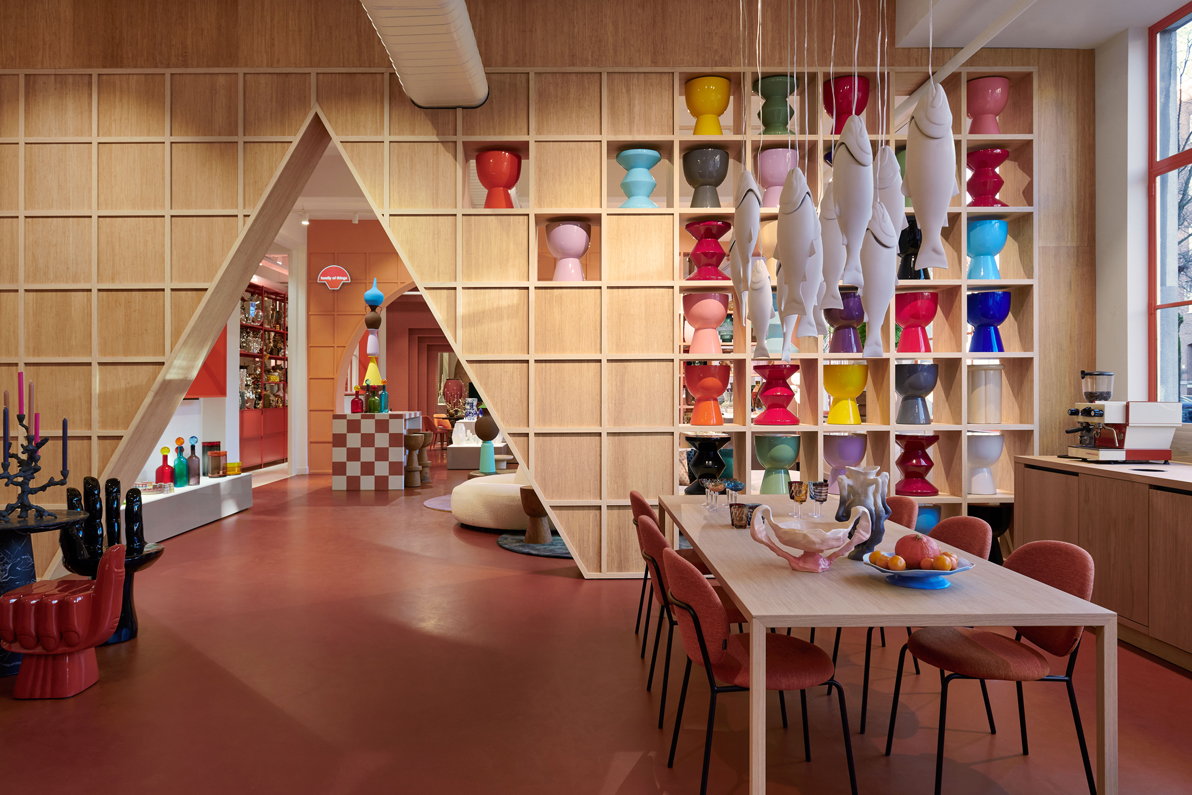
The flagship store of Dutch home décor brand Polspotten redefines the traditional concept of a shop by combining its showroom and corporate offices in one space. This hybrid approach not only optimises resources but also fosters stronger team cohesion. Office staff, being in direct contact with the retail environment, can take on customer service and sales duties, creating a more approachable and authentic experience. At the same time, strategic meetings benefit from the involvement of employees at various levels, encouraging a horizontal, collaborative organisational culture aligned with the brand’s creative ethos.
The design agency Storeage has partnered with Chinese mattress brand LITO to open its first shop in Shanghai. The 60-square-metre store features walls and ceilings made from fibreglass-reinforced concrete cushions, bringing softness to the space. This new retail space reflects the innovative use of smart technology to enhance comfort for everyone moving through the store.
Credits: Xiao Wang.
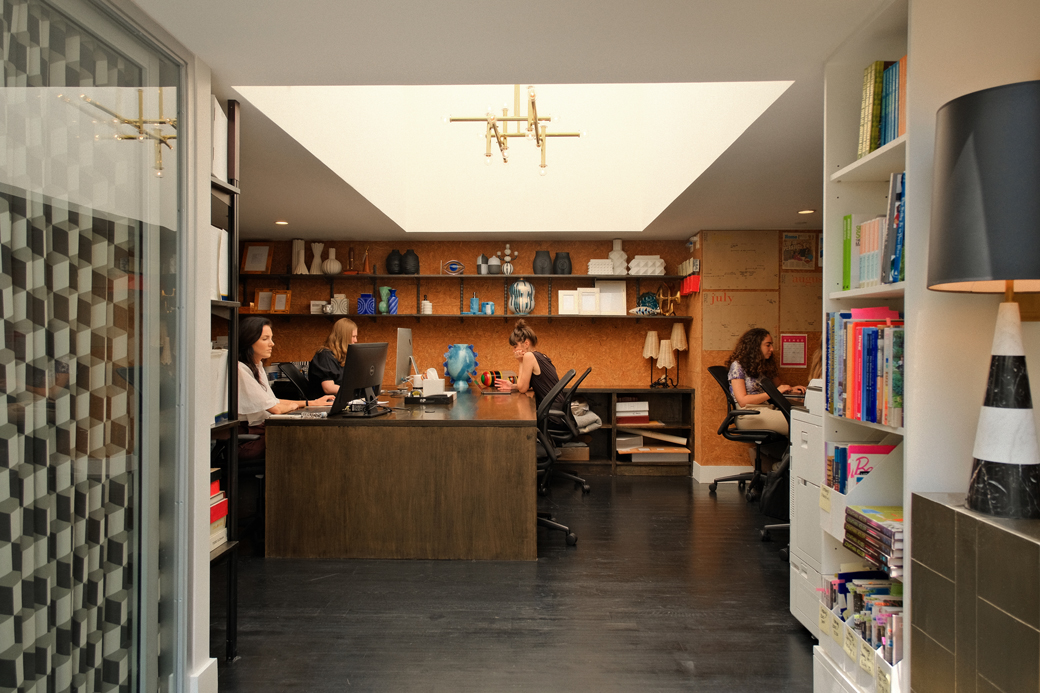
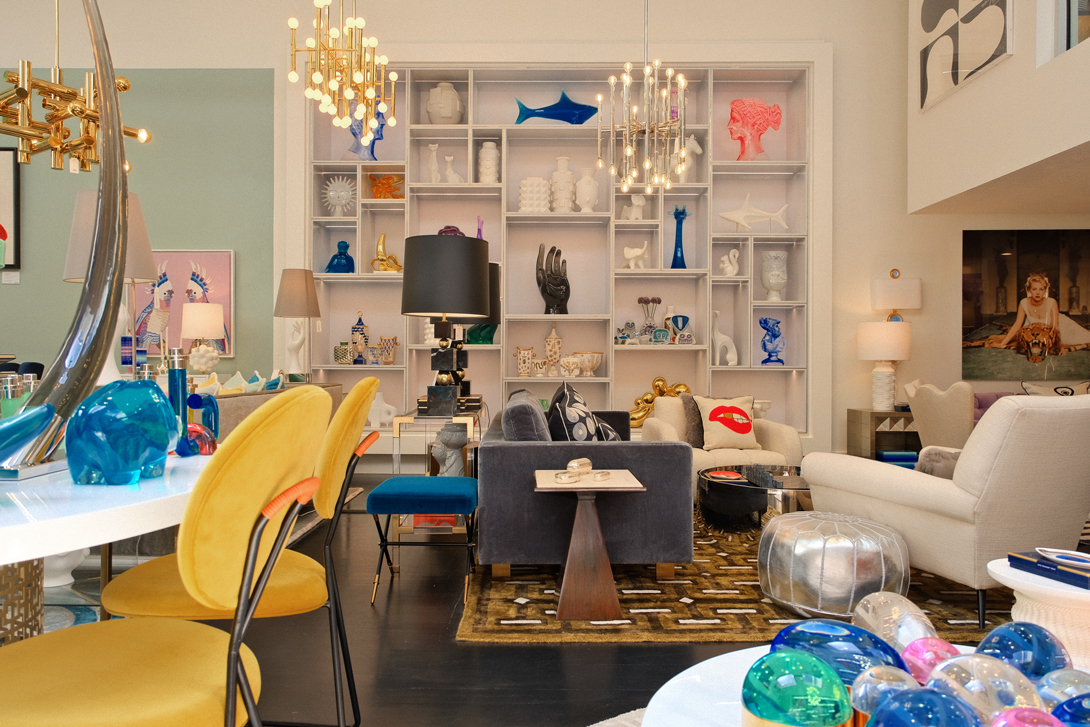
The flagship store of Jonathan Adler in Manhattan occupies a three-storey building that brings together the shop, a ceramics studio and the company’s headquarters. This integration supports proximity between the design team and retail staff, fostering creativity and smoother communication.
Photos: Courtesy of Jonathan Adler.
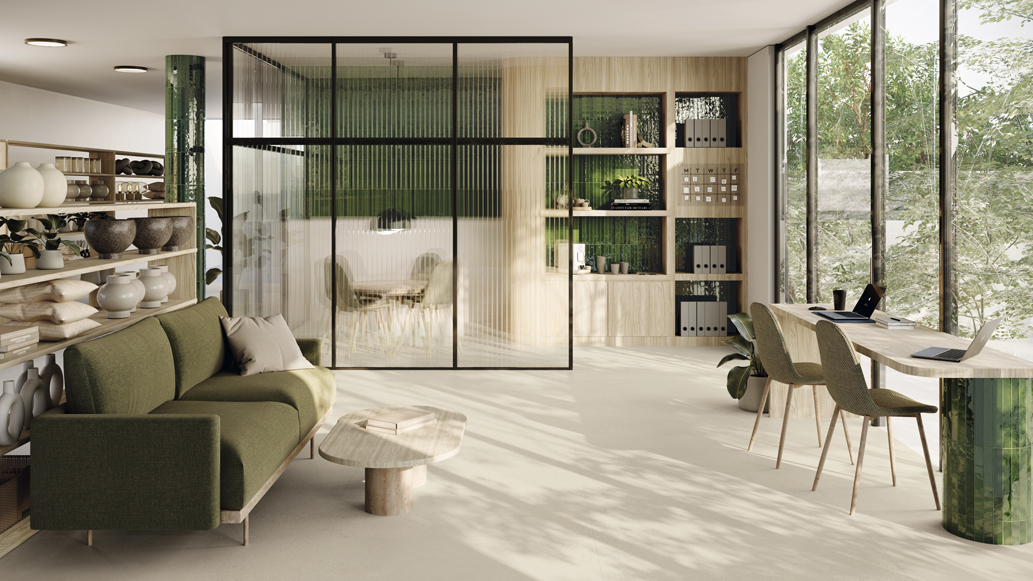
The design envisions an open, continuous shop layout that blurs the lines between public and private zones. With direct access to the outdoors and a more diverse offering, the space becomes more dignified, inclusive and inviting.
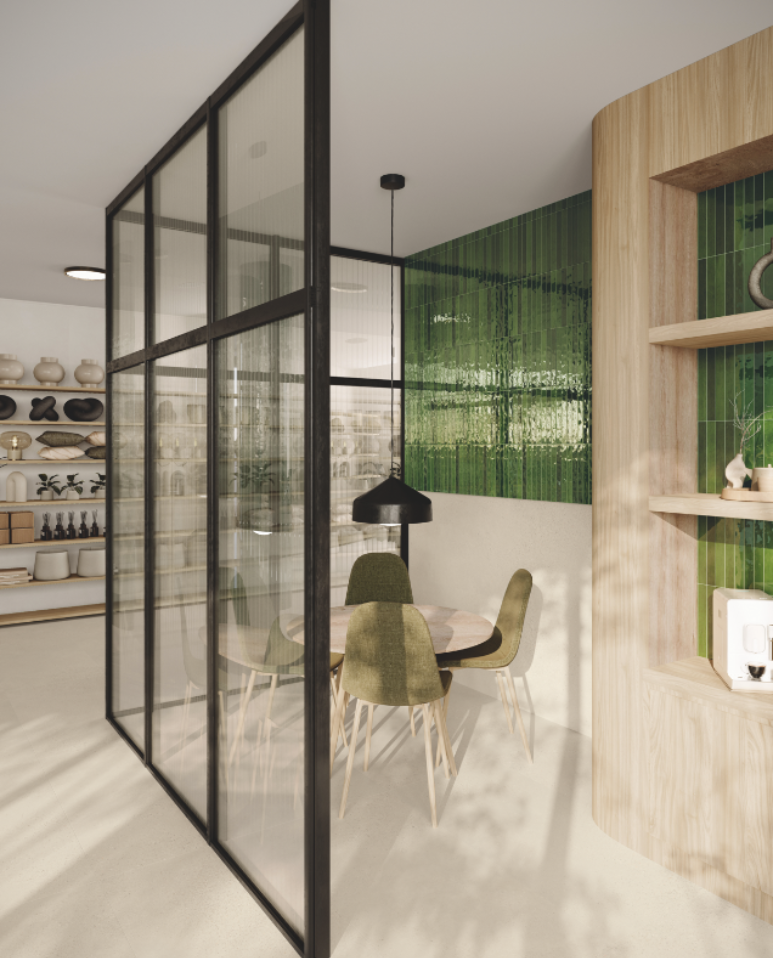
Space inspired by the “Thinking of employees” trend.
Studio: Idearideas
APE Grupo ceramics: Illinois Bone 60 x 120 & Vibrant Green 3.7 x 31




